Last updated: August 19, 2026
Running shoes and even most tennis shoes are not built for what pickleball actually asks of your feet. The sport is full of short, sharp lateral cuts, quick direction changes at the kitchen line, and sudden stops, movement patterns that a shoe built primarily for forward motion is not designed to support. Ankle rolls and knee soreness from wearing the wrong shoe are common enough that court shoe choice gets asked about almost as often as paddle choice.
This guide covers what actually separates a pickleball-appropriate shoe from a general athletic shoe, and how to choose between the major brands based on foot type and playing surface rather than marketing claims.
Quick Answer
What makes a shoe a good pickleball shoe?
- Lateral stability and a reinforced outsole matter more than cushioning built for straight-line running.
- Court shoes designed for tennis or pickleball specifically are built to handle repeated side-to-side cuts that running shoes are not.
- Indoor and outdoor court surfaces call for different outsole patterns, so check which surface a shoe is designed for before buying.
Bottom line: prioritize lateral support and a court-specific outsole over general athletic cushioning when picking pickleball shoes.
Why Pickleball Shoes Are Different From Running Shoes
Running shoes are engineered around forward, repetitive motion and often have softer, higher foam stacks that feel great in a straight line but flex unpredictably during a sharp lateral cut. That instability is a real factor in ankle rolls during quick direction changes at the net, the exact movement pickleball demands constantly.
Pickleball court shoes, along with tennis and general court shoes, are built with a firmer, more supportive base and outsole patterns designed for lateral grip rather than forward roll. That structural difference is why players moving from running shoes into pickleball notice an immediate change in how stable their footing feels during dinks and quick recoveries.
Indoor vs Outdoor Outsoles
Outdoor pickleball courts, typically asphalt or concrete-based, call for a durable rubber outsole with a tread pattern built to handle abrasive surfaces without wearing down quickly. Indoor courts, usually wood or a synthetic gym floor, call for a non-marking outsole with a different grip pattern optimized for a smoother, higher-traction surface.
Using an outdoor-rated shoe on an indoor gym floor can leave marks and may not grip as well as a shoe built for that surface, while an indoor shoe worn outdoors will typically wear down faster than an outdoor-rated outsole is designed to handle. Check which surface a specific model is built for before buying if you play primarily on one or the other.
Pickleball Shoes by Situation
Most Widely Recommended Starting Point
Asics dominates search interest and retail shelf space in pickleball footwear, and the brand’s Gel-Resolution line is frequently the first model players consider, built on the same court-shoe platform Asics uses for tennis.

Value-Focused Buyers
Skechers’ Viper Court Pro line is positioned as a more accessible price point than some of the premium court-shoe brands, while still building in the lateral support and outsole grip a pickleball-specific shoe needs.

Players Who Want a Lighter, Lower-Profile Shoe
K-Swiss’s Express Light line is built around a lighter overall shoe weight, which some players prefer for quicker footwork at the kitchen line compared to a heavier, more cushioned court shoe.

Women Shopping by Fit Specifically
Fit and last shape differ enough between men’s and women’s court shoe lines that shopping specifically within a women’s pickleball shoes category, rather than a unisex size chart, tends to produce a better fit for narrower or differently proportioned feet.
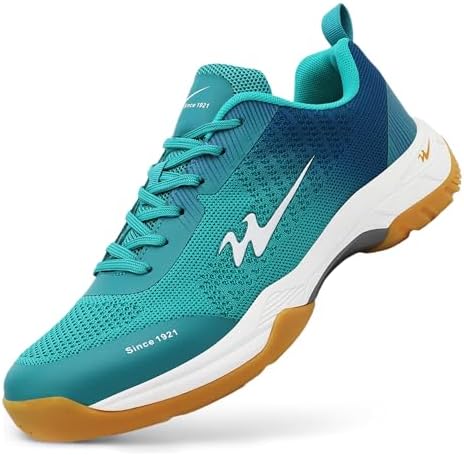
Players Wanting a European Tennis-Brand Option
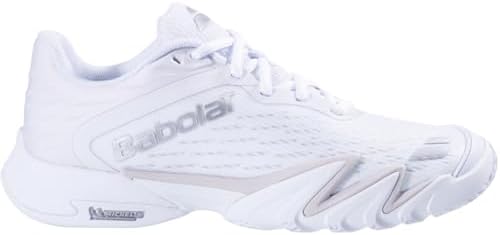
Babolat, long established in tennis footwear, brings that same court-shoe construction to pickleball-appropriate models, which appeals to players already familiar with the brand from racquet sports.
Comparing the Basics
| Priority | What to look for |
|---|---|
| Lateral stability | Firm midsole, reinforced sides, not a soft running shoe stack |
| Surface match | Outdoor-rated outsole for asphalt, non-marking outsole for indoor gym floors |
| Fit | Check men’s vs women’s last shape, not just size number |
| Weight | Lighter shoes suit quick footwork; more cushioned shoes suit longer sessions |
How Often Fit Actually Gets Overlooked
Court shoes are usually built with a slightly different fit profile than everyday sneakers, often a touch snugger through the midfoot to support quick lateral cuts without the foot sliding inside the shoe. Ordering your usual street shoe size without checking a brand’s specific court-shoe fit notes is a common way players end up with a shoe that looks right on paper but feels loose during actual lateral movement.
Toe box width matters too, particularly for players who already deal with wider feet or bunions, since a narrow court shoe built for a snug lateral fit can feel fine standing still and uncomfortable after an hour of repeated stops and direction changes. Reading fit-specific reviews for a given model, rather than assuming your size across brands is identical, avoids a return you did not need to make.
Best Pickleball Shoes for Wide Feet
If your feet are wide, the fix is a shoe offered in an actual width, not a longer size. Court shoes are sold in width designations rather than one universal last, and the wide and extra wide options usually appear as 2E and 4E in men’s sizing and as D or 2E in women’s sizing. Sizing up in a standard width instead only adds length, which leaves the foot sliding forward on every lateral stop.
Width availability is per model rather than per brand, so a brand that fits you well in one line can be narrow in the next. Check the width options listed on the specific model’s product page, and if you play mainly outdoors, look at whether the wide version keeps the same outsole rating as the standard one. Persistent pressure over a bunion or the outside edge of the foot is worth raising with a podiatrist rather than solving by buying a size up.
Common Mistakes When Buying Pickleball Shoes
Wearing running shoes to pickleball because they are already in the closet is the single most common mistake, and it is also one of the more frequently cited contributors to ankle and lateral movement injuries among newer players, since running shoes are not built for repeated side-to-side cuts. If you already play regularly, court-specific shoes are one of the more worthwhile early upgrades.
The second mistake is buying an outdoor-rated shoe for a primarily indoor player, or the reverse. Outsole patterns are surface-specific, and using the wrong one affects both grip and how quickly the shoe wears down.
A Note on Foot Health
Persistent foot, ankle, or arch pain during or after play is worth mentioning to a podiatrist or physical therapist rather than assuming a shoe upgrade alone will resolve it, especially if the discomfort continues across multiple shoe changes. Shoe choice affects comfort and support, but it is not a substitute for medical guidance if pain persists.
Frequently Asked Questions
What are the best pickleball shoes for beginners? A stable, court-specific shoe from an established brand like Asics or Skechers covers most beginners; the exact model matters less than avoiding a general running shoe.
Can I use tennis shoes for pickleball? Yes. Tennis shoes and pickleball shoes share the same lateral-support, court-shoe construction, and many players use tennis shoes for pickleball without issue.
Do I need different shoes for indoor and outdoor pickleball? Ideally yes, since outsole patterns are built for different surfaces; if you only own one pair, check whether it is rated for the surface you play on most.
Are men’s and women’s pickleball shoes actually different? Yes, in last shape and fit proportions, not just size numbering, which is why shopping within a specific men’s pickleball shoes for men or pickleball shoes for women line tends to fit better than guessing across categories.
What are the best pickleball shoes for wide feet? Whichever court model is offered in a genuine width. Look for 2E or 4E in men’s sizing and D or 2E in women’s, and check width availability per model rather than assuming a brand runs wide across its whole range.
How often should I replace pickleball shoes? Replace them when the outsole tread visibly wears down or the shoe no longer feels stable during lateral movement, which varies by how often you play and the surface you play on most.
Why do my ankles feel unstable in running shoes during pickleball? Running shoes are built for forward motion with softer cushioning that is not designed to resist the sideways forces of quick lateral cuts, which is the main reason court-specific shoes feel noticeably more stable.
What are the best pickleball shoes for plantar fasciitis? No shoe should be presented as a treatment, and this is a question for a podiatrist or physical therapist who has looked at your feet. What players in this situation generally shop for is a court shoe with substantial midsole cushioning, a firm heel counter that holds the rear foot steady, a midfoot that does not twist easily, and a removable insole so a prescribed orthotic can go in. Check width availability too, since a shoe that is too narrow undoes the support it otherwise offers.
The Bottom Line
The best pickleball shoes for you come down to matching lateral support and a surface-appropriate outsole to how and where you play, not chasing a single universally best model. Asics, Skechers, K-Swiss, and Babolat all build dedicated court-shoe lines worth comparing by fit and surface rating rather than brand name alone. Once your feet are set, our pickleball bag guide covers where to actually pack a second pair if you play both indoor and outdoor courts.