Last updated: August 18, 2026
Indoor pickleball is a different game from the version played on asphalt, and the ball is most of the reason why. On a gym floor the ball sits up longer, rallies stretch out, and soft hands at the kitchen line matter more than raw pace. Bring an outdoor ball into that same gym and the whole rhythm changes.
This guide covers what an indoor ball is built to do, which models the indoor community keeps returning to, and the practical issues that only come up in gyms: noise, floor scuffing, visibility against wood, and buying enough balls for a whole rec night.
Quick Answer
Which indoor pickleball balls should you buy?
- Choose a ball with roughly 26 larger holes and a softer shell, which is what makes an indoor ball an indoor ball.
- Franklin’s X-26 and the Onix Fuse Indoor are the two models most gym groups end up standardizing on.
- Indoor balls last noticeably longer than outdoor balls, so a smaller pack goes further.
- If your venue has noise complaints, ask about quiet ball options before assuming a standard indoor ball is fine.
Bottom line: an indoor rated ball plays softer and slower by design, and using one is the single biggest factor in whether gym play feels right.
What Separates an Indoor Ball From an Outdoor Ball
Indoor pickleball balls use a softer, lighter plastic and a pattern of roughly 26 larger holes, versus the 40 small holes and harder shell of an outdoor ball. That combination produces a slower ball with more air resistance and a softer landing on the paddle face.
Because gym air is still, an indoor ball does not need the wind cutting design an outdoor ball requires. The trade is that the same ball would be pushed around badly on an open outdoor court. Our indoor vs outdoor pickleball balls comparison lays the specifications out side by side.
How an Indoor Ball Changes the Way Rallies Play
A softer ball grips the paddle face for a fraction longer, which gives players more control on dinks, drops, and resets. Rallies run longer, the third shot drop becomes more reliable, and points are decided by placement more often than by pure power.
Players who learned on outdoor courts often describe indoor play as feeling slow at first. That impression fades within a session, but it explains why groups that play both surfaces usually keep two separate sleeves of balls rather than compromising on one.
The Texture Detail Most Buyers Miss
Indoor balls tend to develop a slightly rougher surface over time as the softer plastic scuffs on a gym floor. Some players like that, since a lightly textured ball takes spin more readily, which is one reason a broken in indoor ball often feels better than a brand new one.
Indoor Pickleball Balls by Situation
The Standard Gym Rec Night Choice
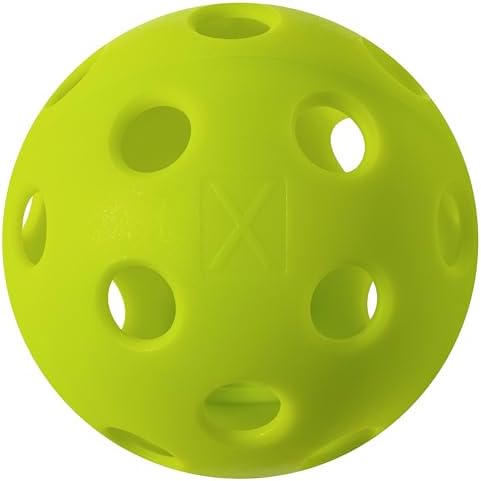
Franklin’s X-26 is the indoor counterpart to the brand’s widely used outdoor ball and is the model most commonly found in community center bins. Availability and consistency between packs are the practical reasons groups keep buying it.
Players Who Want a Softer, More Controlled Feel
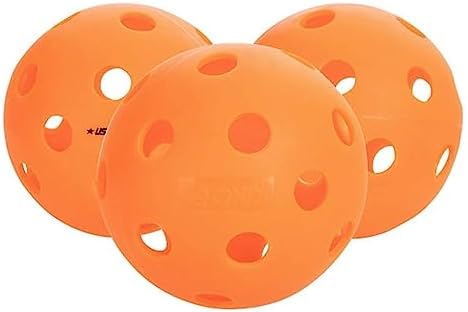
The Onix Fuse Indoor is a long standing alternative with a reputation for a slightly softer feel and durable construction, which suits groups doing a lot of dinking and drop practice rather than fast drives.
Clubs, Schools, and Anyone Buying for a Group
Indoor sessions burn through fewer balls than outdoor ones, but a rec night with six courts still needs a supply. Bulk packs of a single model keep play consistent across courts and avoid the mid evening argument about which ball everyone is using.

Venues With Noise Restrictions
Shared gyms, church halls, and retirement community rooms sometimes have real noise limits. Quiet or low noise balls, usually made from a softer foam or modified plastic, are built for exactly this and play noticeably slower than a standard indoor ball.

Poor Lighting or Light Colored Floors
Visibility is a genuine issue indoors. A yellow ball can disappear against a pale maple floor under weak lighting, and orange or bright green versions of the same model are worth choosing on that basis alone if your venue has that problem.

Comparing Indoor Ball Characteristics
| Feature | Standard indoor ball | Quiet or foam ball |
|---|---|---|
| Hole pattern | About 26 larger holes | Varies, often solid or few holes |
| Pace | Slower than outdoor, still lively | Noticeably slower |
| Noise level | Moderate | Lowest available |
| Best fit | Regular gym and rec center play | Venues with noise limits, home practice |
How Long Indoor Balls Last
Indoor balls generally outlive outdoor balls by a wide margin, because a smooth gym floor is far less abrasive than asphalt and the softer plastic is less prone to the brittle cracking that ends outdoor balls. Most indoor balls end up retired for softness rather than for splitting.
The tell is bounce. Once a ball sits lower off the floor than a fresh one from the same pack, its flight has changed enough that it no longer matches the rest of the bin. Rotating a few new balls in each month keeps a group’s supply consistent.
Mistakes to Avoid When Buying Indoor Balls
The most common mistake is buying by brand name without checking the indoor or outdoor label, since the same manufacturer sells both and the packaging often looks nearly identical. Count the holes if the label is unclear: larger and fewer means indoor.
The second is assuming a quiet ball is simply a softer indoor ball. Quiet balls play meaningfully differently and are not a straight substitute for standard indoor play, so buy them for a noise problem rather than as a general upgrade.
One More Thing About Shared Gyms
If you play at a venue you do not control, ask what the facility already stocks before buying. Community centers frequently have a house ball, and matching it keeps your practice consistent with the sessions you actually attend.
Do Indoor Balls Need USA Pickleball Approval?
USA Pickleball approves balls for sanctioned tournament play, and indoor models appear on that list alongside outdoor ones. Approval reflects compliance with size, weight, bounce, and hardness specifications rather than a judgment about which ball plays best.
For rec nights and club play, approval status is largely irrelevant. If you do enter sanctioned indoor events, confirm the current list on usapickleball.org, since models are added and removed periodically and packaging is not always up to date.
Frequently Asked Questions
How many holes does an indoor pickleball ball have? Most indoor balls use around 26 holes, and those holes are larger than the 40 small holes found on outdoor balls. It is the fastest way to identify one by hand.
Can I use an indoor ball outdoors? Not well. The lighter, softer construction gets pushed around by wind and scuffs quickly on asphalt, so an outdoor pickleball ball is the right choice for any outdoor court.
Do indoor pickleball balls last longer? Generally yes. Smooth gym floors are far less abrasive than asphalt, and indoor balls usually go soft over time rather than cracking the way outdoor balls do.
Which indoor pickleball ball is the quietest? Purpose built quiet balls, typically foam or modified plastic, are quieter than any standard indoor ball. They also play slower, so they suit noise restricted venues rather than competitive sessions.
What color indoor ball is easiest to see? It depends on the floor. Yellow can blend into pale wood under weak lighting, so orange or bright green often reads more clearly in older gyms.
Do indoor and outdoor balls weigh the same? They are close but not identical. Outdoor balls are slightly heavier and denser, which combined with smaller holes is what makes them cut through wind better.
The Bottom Line
Indoor pickleball balls are built around a softer shell and larger holes, which slows the ball down and rewards control over power. Franklin’s X-26 and the Onix Fuse Indoor cover most gym groups, quiet balls solve noise restricted venues, and color choice matters more than buyers expect on pale floors. Because they last longer than outdoor balls, a smaller purchase goes further. Our indoor versus outdoor guide explains the specification differences in detail.