Last updated: August 18, 2026
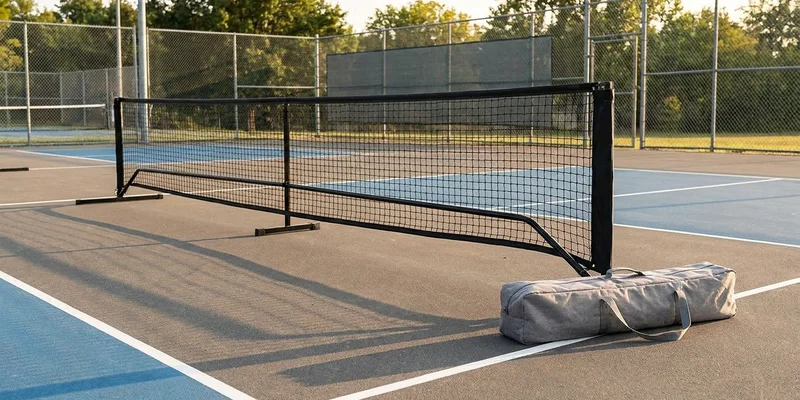
The SwiftNet 2.1 is the net that keeps coming up when someone in a club group chat asks what to buy for a driveway or a park court. It sits in an unusual spot in the market: built to full playing measurements like a serious net, but engineered around a light metal frame so that one person can carry it, put it up, and take it down without help.
This review explains what the 2.1 is, which buyer it genuinely fits, and where it costs you something. We do not test nets ourselves. Everything below rests on the manufacturer’s published product information and on what owners consistently report, and anything that varies by retailer or production run should be confirmed on the listing.
Quick Answer
Is the SwiftNet 2.1 worth buying?
- Yes, if the net moves regularly and you still want full playing measurements rather than a scaled down practice net.
- The frame is built around aluminum and carbon fiber, which is why it carries far more easily than a steel system.
- It is not the cheapest way to get a net across a driveway, and a heavy steel frame will out-anchor it in real wind.
- Buy it for portability plus correct height. Buy something heavier if the net never leaves one spot.
Bottom line: the 2.1 is for the player who carries a net to the court and refuses to compromise on how it plays once it is up.
What the SwiftNet 2.1 Actually Is
The SwiftNet 2.1 is a freestanding portable net system built around a lightweight metal frame rather than the steel tubing used by most driveway nets. The manufacturer describes the frame as aluminum combined with aerospace grade carbon fiber, and lists the complete system at around 17 pounds with a carrying case included.
That figure is the whole story of the product. A conventional portable steel net weighs several times as much, which is fine in a garage and miserable across a parking lot. The 2.1 exists to make a full size net something you carry in one hand.
Why the Frame Material Is the Selling Point
Light frames usually mean compromise: flex when the ball hits the tape, sag in the middle, drift in a breeze. SwiftNet’s answer is a locking post assembly and a high tensile top cord that resists stretching, so tension is meant to hold across weeks of use instead of needing a re-adjustment every session. Whether that holds up on your court depends on how exposed it is.
Who the SwiftNet 2.1 Suits
This net fits a narrower buyer than the search volume suggests. The situations below cover who gets real value from what the 2.1 is engineered to do, and who is better served spending the same attention elsewhere in the category.
The Player Who Carries a Net to the Court Every Week
This is the clearest case. You play on a tennis court, a gym floor, or a park slab that has no net, and you are the one who brings it. Carry weight and pack down size are the two things you will notice every single session, and this is the net designed around exactly that.

Travel, Vacations, and Playing Away From Home
A net that fits a car trunk alongside luggage opens up beach houses, rented courts, and hotel parking lots. If your use case is genuinely mobile, buy for the case and the weight rather than for frame rigidity, and accept that any light net needs a calmer spot than a steel one does.
If the Net Never Moves: Buy Heavier Instead
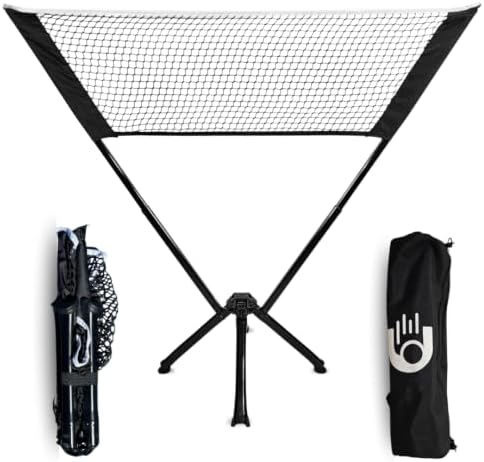
For a net that lives in one driveway from spring to fall, the portability you are paying for delivers nothing. A steel frame system with a weighted base holds height better, shrugs off wind, and tolerates repeated ball contact without loosening. Our portable net guide compares the two approaches directly.

Setting Up a Marked Court to Go With It
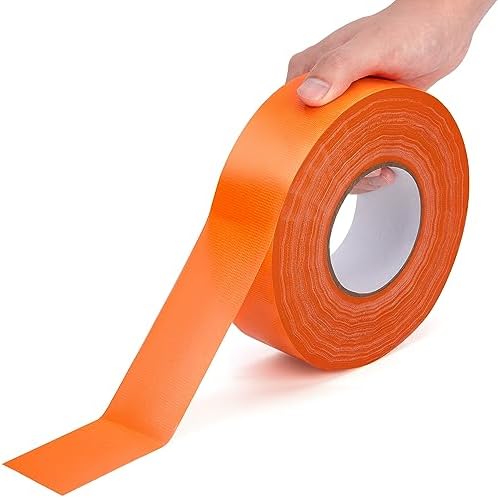
Owners who carry a net to a bare slab usually end up wanting lines too. Court marking tape and temporary line sets pair naturally with a travel net, and they matter more than most buyers expect, because a correct net over guessed sidelines still produces guessed pickleball.
SwiftNet Against a Steel Frame System
The comparison below is about character rather than numbers, since exact weights and pack sizes vary by model and by production run. Confirm the current figures on the listing before you order, particularly if the net has to fit a specific trunk or closet.
| Factor | SwiftNet 2.1 | Steel frame portable |
|---|---|---|
| Frame | Aluminum and carbon fiber | Steel tubing |
| Carry | One person, one trip | Wheeled case, awkward on stairs |
| Wind stability | Adequate in sheltered spots | Best in the portable category |
| Typical home | Car trunk, closet | Garage corner |
| Suits | Players who travel to play | A fixed driveway court |
Setup, Tension, and Storage in Real Use
SwiftNet states that the system goes up or comes down in under three minutes, which is realistic once you have done it a few times and optimistic on the first attempt. Assemble it once at home before the day you actually need it, so you find any missing hardware in your own driveway rather than at a park.
Tension is the part that separates a good portable net from an irritating one. The 2.1 relies on a locking post assembly and a non stretch top cord to hold the net at playing height, which is what stops the mid game sag that plagues cheaper frames as the mesh relaxes.
Where It Lives Between Sessions
The carrying case is doing quiet work here. Nets get abandoned not because they break but because putting them away becomes a chore, and a bag that slides into a closet gets used far more often than a frame that has to be wheeled around a car. If storage space is your constraint, that is a legitimate reason to choose light.
Where the SwiftNet 2.1 Falls Short
The honest limitation is wind. No light frame anchors like a weighted steel base, and on an exposed court on a gusty day you will be repositioning it or adding weight at the feet. That is the physics of the category, not a defect in this particular net, but it is the complaint that surfaces most often.
The second is that you are paying a premium for engineering you may not use. If the net goes up in April and comes down in October in the same spot, almost nothing about a carbon and aluminum frame benefits you, and the same attention spent on base weight would serve you better.
Parts and Longevity
Any net that gets packed and unpacked weekly wears at the joints and at the mesh before it wears anywhere else. Check what replacement parts the manufacturer sells, since a system where you can order a new net panel or a foot is worth considerably more over five seasons than one that becomes disposable when a single component fails.
Does It Meet Official Net Measurements?
SwiftNet builds the 2.1 to the standard playing dimensions, using a supportive brace and locking system to hold 36 inches at the sidelines and 34 inches at the center. That is the same geometry USA Pickleball specifies in its rulebook, and it is what separates this net from the shortened practice nets sold in the same search results.
Because the rulebook is revised annually, confirm current equipment measurements at usapickleball.org if exact compliance matters for your court, and measure your own net after setup rather than trusting the frame. Our net height guide explains how to check it in about a minute.
Frequently Asked Questions
Is the SwiftNet 2.1 regulation size? It is built to standard playing measurements, with 36 inches at the sidelines and 34 inches at the center held by a supportive brace. Measure after setup anyway, since any net can be assembled slightly out of true.
How much does the SwiftNet 2.1 weigh? The manufacturer lists the complete system at roughly 17 pounds, which is unusually light for a full size net and is the entire reason the product exists. Confirm the current figure on the listing.
How long does it take to set up? SwiftNet states under three minutes once you know the sequence. Expect the first assembly to take longer, as with every portable net system regardless of brand.
Can I leave a SwiftNet outside all season? It is designed to be carried and stored rather than left standing. Sun and wind degrade mesh and tension on any net, and a light frame has less mass holding it in place during a storm.
Does it work in wind? In sheltered conditions, yes. On an exposed court in real gusts, a weighted steel base is the better tool, and adding weight at the feet is the usual workaround for any light frame.
SwiftNet or a cheaper portable net? If you carry the net regularly and want correct playing height, the premium buys something real. If it lives in one driveway, spend the money on base weight instead and look at our full net comparison.
The Bottom Line
The SwiftNet 2.1 solves one problem extremely well: getting a net built to full playing measurements to a court you do not own, without a wheeled case or a second person. The light aluminum and carbon frame, the roughly 17 pound listed weight, and the locking post assembly all serve that single goal. Buy it if the net travels. If it never leaves your driveway, a heavier steel system in our portable net guide gives you more stability for less money.