Last updated: August 18, 2026
A pickleball bag looks like a simple accessory until you show up to open play with two paddles rattling around a gym tote, a water bottle leaking onto your extra shirt, and nowhere to put the shoes you just changed out of. Once you are playing more than once a week, what you carry your gear in stops being an afterthought and starts being something you actually notice every single session.
This guide walks through what actually differs between pickleball bag styles, who each style suits, and what to check before buying, without pretending every bag on the market has been tested side by side.
Quick Answer
What kind of pickleball bag should you buy?
- A sling or backpack style pickleball bag suits most players who carry one to two paddles, balls, and a water bottle to regular sessions.
- A larger pickleball backpack with a dedicated shoe compartment is worth it if you change shoes at the court or carry gear for a partner too.
- Check for a padded, separate pocket for paddles specifically, since tossing a paddle in with balls and shoes is the fastest way to scuff the face.
Bottom line: match the bag size to how much you actually carry, not to the biggest option on the shelf.
The Three Main Pickleball Bag Styles
Most pickleball bags fall into one of three shapes: a sling bag worn across one shoulder, a backpack worn on both shoulders, and a larger tote or duffel-style bag carried by hand. Each style trades capacity against how much weight you feel while walking between courts, and none of the three is universally correct.
Sling bags are the lightest and fastest to grab, and they tend to suit players who bring the basics: a paddle or two, balls, a towel, a water bottle. Backpacks carry more and distribute weight across both shoulders, which matters if you are also bringing a change of shoes or gear for someone else. Totes and duffels hold the most but are the least convenient to actually wear while walking or waiting between games.
What to Actually Check Before Buying a Pickleball Bag
The single most useful feature on any pickleball bag is a dedicated, padded paddle sleeve separate from the main compartment. Paddles thrown in loose next to balls, keys, or a water bottle pick up edge scuffs and face scratches quickly, and a padded sleeve is the cheapest way to avoid that entirely.
Beyond the paddle sleeve, check ventilation for a separate shoe compartment if you plan to use one, an insulated pocket if you want your water to stay cold through a long session, and the number of paddles the main sleeve is actually rated to hold, since specs vary widely between a two-paddle sling and a six-paddle tournament bag.
Pickleball Bags by Situation
Casual Player, One or Two Paddles
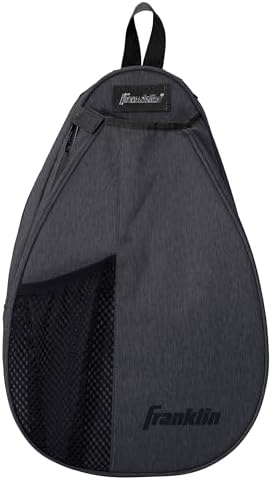
A compact sling bag covers most casual players who show up with a single paddle and the basics. Franklin’s sling and backpack lineup is widely stocked and sized specifically for players who do not need tournament-level capacity.
Regular Player Who Wants a Dedicated Shoe Compartment
Players who change shoes at the court, or who simply do not want gym shoes touching a clean shirt, benefit from a backpack built with a separate vented shoe pocket. This is one of the more searched specific features among players comparing pickleball backpack options.

Players Who Own Multiple Paddles
Selkirk’s bag lineup includes larger options built around multi-paddle sleeves, which suits players who rotate between two or three paddles depending on conditions or who are still deciding which paddle to keep.

Players Who Want a Compact, Minimal Bag
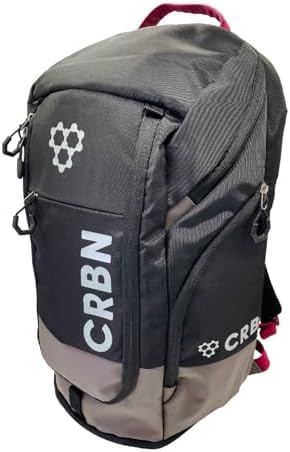
CRBN’s bag options lean toward a streamlined, single-paddle-focused build for players who deliberately want to carry less rather than more.
Women Specifically Shopping by Fit and Style
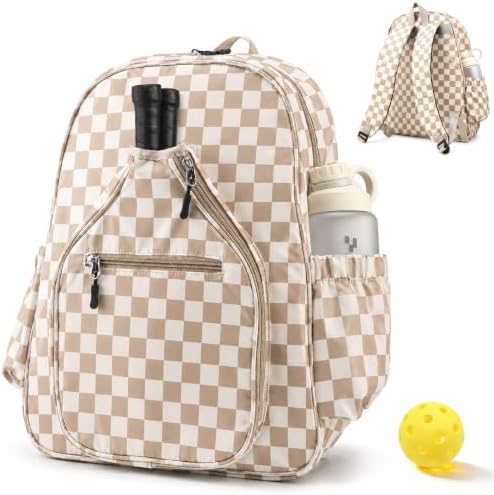
Bag proportions built around a smaller frame, along with color and style options, are a common reason players search specifically for a pickleball bag for women rather than a unisex option, and several brands now offer sling and backpack styles sized accordingly.
Comparing Bag Styles at a Glance
| Style | Best for | Typical capacity |
|---|---|---|
| Sling bag | Casual players, one to two paddles | Low |
| Backpack | Regular players, shoe compartment needed | Medium to high |
| Tote or duffel | Multiple players, coaches, tournament days | High |
Materials and Weather Resistance
Outdoor players should pay attention to fabric and zipper quality, since a bag that lives in a car trunk or gets carried to outdoor courts in variable weather takes more abuse than one used only for a short walk from a parking lot to an indoor gym. Water-resistant fabric and coated zippers keep a sudden rain shower from soaking a paddle sleeve or a phone tucked in a side pocket.
Stitching at stress points, the strap attachments and the base of the bag, is worth a quick look before buying, especially if you plan to sling the bag over one shoulder rather than carry it by hand. A bag that fails at the strap is more disruptive mid-session than one with a slightly smaller pocket than expected.
Mistakes That Shorten a Bag’s Useful Life
Overloading a sling bag rated for one or two paddles with three or four is the most common mistake, since it stresses the seams and defeats the point of the padded sleeve, which is no longer sized to actually protect each paddle. If you regularly carry more gear than a bag’s stated capacity, size up rather than forcing it in.
The second common mistake is skipping ventilation for a shoe compartment entirely. A sealed pocket with worn shoes inside a bag that also holds balls and a paddle sleeve can leave odor and moisture on gear that should stay dry, especially after an outdoor session in summer heat.
Frequently Asked Questions
What is the best pickleball bag for a beginner? A simple sling bag with a padded paddle sleeve covers most beginners, since early on you are unlikely to be carrying more than one paddle and the basics.
Do I need a pickleball backpack instead of a sling bag? Only if you carry more gear than a sling comfortably holds, such as a shoe change, gear for a partner, or extra layers for outdoor sessions in variable weather.
How many paddles should a pickleball bag hold? That depends on how many paddles you own and rotate between; check the manufacturer’s stated paddle sleeve capacity rather than assuming, since it varies widely by model.
Are pickleball bags for women actually different from unisex bags? Often yes, in proportions, strap length, and color and style options, though the core features like a padded paddle sleeve matter regardless of which version you choose.
Does a pickleball bag need an insulated pocket? It is a convenience feature, not a necessity. It matters most for players doing long outdoor sessions in hot weather who want their water to stay cool.
Can I use a tennis bag for pickleball instead? You can, but tennis bags are usually built around longer racket compartments and do not always include a padded sleeve sized correctly for a shorter, wider pickleball paddle.
The Bottom Line
Choosing a pickleball bag comes down to matching the style, sling, backpack, or tote, to how much gear you actually carry and how often you carry it. A padded, dedicated paddle sleeve is the one feature worth prioritizing regardless of size. Once your bag is sorted, make sure what is going inside it is dialed in too, starting with our beginner paddle guide and pickleball set guide if you are still building out your kit.