Last updated: August 19, 2026
Walk into any pickleball shop or scroll a retailer’s paddle wall for five minutes and the choice gets overwhelming fast. Dozens of shapes, three or four core materials, face surfaces described in language that sounds more like a materials science lecture than a sport. None of that helps you if you have never held a paddle before and just want to show up to your first open play session with something that will not work against you.
This guide skips the spec-sheet arms race and focuses on what actually changes the way a paddle feels and plays for someone new to the sport. We are not claiming to have tested any of these paddles ourselves, we are explaining what the manufacturer’s own stated specs mean in practice, so you can read a product page and know what you are looking at.
Quick Answer
What should you look for in a pickleball paddle for beginners?
- A wider, more forgiving face shape and a mid-range weight, since a very light or very heavy paddle for beginners exaggerates mishits in opposite directions.
- A grip size that actually fits your hand, checked against the manufacturer’s own measurements rather than guessed from a photo.
- A paddle that appears on the USA Pickleball Approved Paddle List if you think you might ever play in a sanctioned event, even casually.
Bottom line: the best beginner pickleball paddle is the one whose shape and weight match how you naturally swing, not the model with the flashiest marketing.
What Actually Matters on a Beginner’s First Paddle
Three specs do most of the work when you are choosing a pickleball paddle for beginner play: shape, weight range, and grip circumference. Everything else, paint design, colorway, pro endorsement, is marketing on top of those three fundamentals. Manufacturers publish weight ranges and grip sizes on every product page, and those numbers are the ones worth reading closely before you buy.
Paddle shape falls into a few broad families: standard/wide-body shapes give you the largest sweet spot, while elongated shapes trade some forgiveness for extra reach and swing speed. For a first paddle, a standard or wide-body shape is the more forgiving starting point, since it gives off-center contact more room to still produce a usable shot.
Face Material and Core, Explained Without the Jargon
Paddle faces are typically built from fiberglass or carbon fiber, and paddle cores are usually a polymer honeycomb. Fiberglass faces tend to be described by manufacturers as generating more pop with a larger sweet spot, which can suit a beginner still learning to control depth. Carbon fiber faces are usually marketed around control and a more consistent response across the face, which some newer players find easier to trust once they get past the first few sessions.
Rather than treating either material as objectively better, read it as a trade-off: pop and forgiveness on one side, control and touch on the other. If you want a longer look at how carbon fiber specifically changes the feel of a paddle, our carbon fiber pickleball paddle guide goes deeper into that comparison for players ready to move past their very first paddle.
Picking a Beginner Paddle by Situation
There is no single best pickleball paddle for beginners, and most pickleball paddles for beginners on the market today are built to fit one of a handful of common situations rather than every player at once, because “beginner” covers a wide range of athletic backgrounds and budgets. The situations below cover the most common starting points.
Coming From Tennis or Racquet Sports
Players with a racquet sports background usually adapt fastest to a slightly heavier, control-oriented paddle, since their swing mechanics already assume some weight behind the shot. A Selkirk paddle from an entry or mid-tier line is a common recommendation here, since Selkirk’s product pages lean on control-focused language for several of its beginner-accessible models.

Complete Beginner, No Racquet Sports Background
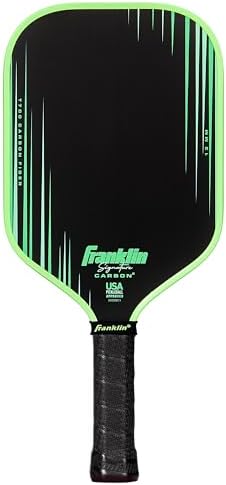
If you have never played a racquet sport, a lighter, wide-body paddle with a large sweet spot reduces how much a mishit punishes you while you are still learning to track the ball. Franklin’s beginner-oriented paddles are widely available and are frequently the first paddle sold alongside starter sets, which makes them a low-friction entry point.
Budget-Conscious First Purchase
If you are not sure pickleball is going to stick yet, it makes sense to spend less on your first paddle rather than committing to a premium model before you know your own game. Vatic Pro’s lineup is regularly recommended in this spot because the brand positions several models as accessible entry paddles without dropping the core specs that matter.

Juniors and Smaller Hands
Grip circumference matters even more for younger or smaller-handed players, since a grip that is too thick limits wrist snap on serves and dinks alike. Onix makes paddles across a range of grip sizes, and checking the manufacturer’s grip measurement against a simple hand-size chart before buying avoids the most common junior-paddle mistake.

Want to Play in Local Leagues or Sanctioned Events
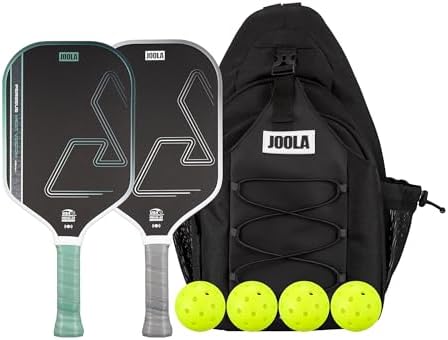
If there is any chance you will play a sanctioned tournament or a league that enforces USA Pickleball rules, start with a paddle that already appears on the USA Pickleball Approved Paddle List rather than finding out later that your paddle is not eligible. Joola’s mainstream retail lines are a common safe choice here, since the brand keeps several beginner-accessible models on the current approved list.
Comparing the Basics Side by Side
The table below lines up the general category each situation above tends to fall into. Always confirm the exact numbers on the manufacturer’s own product page before buying, since specs vary by model within a brand.
| Situation | Shape tendency | Face material tendency | Priority |
|---|---|---|---|
| Racquet sports background | Standard or slightly elongated | Carbon fiber | Control |
| Complete beginner | Wide-body | Fiberglass | Forgiveness |
| Budget-conscious | Standard | Fiberglass or carbon fiber | Value |
| Juniors, smaller hands | Standard, smaller grip | Either | Grip fit |
| League or tournament interest | Standard | Either, on approved list | Legality |
Mistakes to Avoid When Buying Your First Paddle
The most common beginner mistake is buying the heaviest or most expensive paddle on the assumption that more paddle means more power. A paddle that feels sluggish in your hand slows your reaction time at the net, which matters more for a new player than raw pop on a full swing. Read the manufacturer’s weight range and, if possible, hold a similar-weight paddle before committing.
The second common mistake is ignoring grip size entirely. A grip that is too large forces you to squeeze harder to control the paddle face, which tires your forearm and can contribute to soreness during the exact learning period when you are hitting the most balls. Manufacturers list grip circumference on every product page; treat that number as seriously as the weight.
Is Your First Paddle Legal for Sanctioned Play?
USA Pickleball maintains an official Approved Paddle List at usapickleball.org, and any paddle used in a sanctioned tournament needs to show a “Pass” result on that list. Most casual backyard and open-play paddles never need to clear this bar, but if there is even a chance you will play in a sanctioned league or tournament down the road, checking the list before you buy saves you from replacing a paddle later.
USA Pickleball revises its official rulebook and equipment standards at the start of each year, so specifications, approved models, and allowed modifications like added weight tape can change. Always check the current rulebook and approved list directly on usapickleball.org rather than relying on an older printout or a retailer’s claim, since the organization is the only authoritative source for what counts as legal equipment in a given season.
Frequently Asked Questions
What is the best pickleball paddle for beginners? There is no single best model; the right pickleball paddle for beginners depends on your athletic background, hand size, and whether you expect to play sanctioned events, which is why this guide breaks recommendations down by situation instead of naming one winner.
Do beginner pickleball paddles need to be lightweight? Not necessarily. A moderate weight within the manufacturer’s stated range is usually more useful than the lightest option available, since very light paddles can require more arm work to generate pace.
Can I use any paddle for casual, non-tournament play? Yes. Casual and backyard play has no equipment enforcement, so any paddle works. Approval only matters if you plan to enter a USA Pickleball sanctioned event.
What grip size should a beginner start with? Grip size depends on hand measurement, not skill level. Most brands publish a simple hand-measurement guide alongside their grip circumference options, and it is worth checking before buying rather than guessing.
Is a more expensive paddle always better for a beginner? No. Price often reflects marketing, materials sourcing, and pro-player branding more than it reflects how forgiving a paddle is for a new player. Several accessible-priced paddles from brands like Franklin and Vatic Pro are commonly recommended as first paddles.
How do I know if a paddle is on the USA Pickleball Approved Paddle List? Search the model by brand and name directly on the official list at usapickleball.org, which is updated regularly as new paddles are tested and older ones are removed.
The Bottom Line
Choosing a pickleball paddle for beginners comes down to matching shape, weight, and grip size to your own hand and swing, not chasing the most advanced spec sheet on the shelf. Start with a forgiving shape, read the manufacturer’s numbers instead of guessing, and check the USA Pickleball Approved Paddle List if there is any chance you will play a sanctioned event. Once you have a paddle that fits, pair it with a bag that protects it and start building the fundamentals covered in our paddle grip guide.