Last updated: August 19, 2026
Vatic Pro turns up in a very specific conversation: someone has outgrown a starter paddle, has looked at what the sponsored brands charge, and is wondering whether there is a way to get a textured carbon face without the flagship bracket. Vatic Pro is one of the brands that answers that question, and it built its following almost entirely on players recommending it to each other rather than on pro sponsorship.
This guide explains what the brand actually offers, which shape to pick, and where the trade-offs sit compared with the bigger names. We do not test paddles ourselves. Everything below is based on Vatic Pro’s published specifications and on what players consistently report about the paddles in practice.
Quick Answer
Is a Vatic Pro pickleball paddle worth buying?
- Vatic Pro sells direct to players, which is how it puts textured carbon faces in a lower price bracket than the sponsored brands.
- The Prism family is the one most players mean when they recommend Vatic Pro, offered across the usual shape options.
- You give up retail availability, in-store handling, and the resale value that a big brand name carries.
Bottom line: Vatic Pro suits the player upgrading from a starter paddle who wants spin and control without paying for a sponsorship budget.
Who Is Vatic Pro and How Does It Undercut the Big Brands?
Vatic Pro is a direct-to-consumer paddle brand, meaning it sells primarily through its own channels rather than through specialist shops and big box retail. Cutting the retail layer out and spending little on pro sponsorship removes two of the largest costs sitting inside a flagship paddle’s price, which is the whole basis of the brand’s value proposition.
What that buys you is construction that competes on paper with paddles from far better known names. What it costs you is everything a retail presence provides: you cannot pick one up in a store, you rely on published specs and other players’ reports, and you accept a longer path if something goes wrong with an order.
Why You Keep Hearing the Name in Recommendation Threads
Brands without sponsorship budgets grow through word of mouth or they do not grow at all. Vatic Pro’s visibility comes almost entirely from players telling other players what they bought, which is a genuinely useful signal, though it also means enthusiasm can run ahead of the paddle. Read those recommendations for what they usually are, which is a value judgment rather than a claim that the paddle outperforms everything above it.
Choosing a Vatic Pro Paddle
Vatic Pro keeps its catalog small, and the choices come down to family and shape. The situations below cover why most players pick one over another.
The Default Recommendation: The Prism Family
Prism is the family that made the brand’s name and the one most recommendation threads are pointing at. It is built around a textured carbon face aimed at spin and control, positioned as the value alternative to considerably more expensive paddles with similar face construction on paper. If someone tells you to buy a Vatic Pro without saying which, this is almost certainly what they mean.

Upgrading From a Starter Paddle
The clearest case for Vatic Pro is the player who started on a set paddle, now plays weekly, and has begun to notice that their drops and spin are limited by the equipment rather than by technique. That player wants a textured carbon face and does not yet need to pay for a specific pro’s signature model. Our beginner paddle guide covers the step before this one if you are not there yet.

If You Want Reach: The Elongated Option
Like most brands, Vatic Pro offers its faces in more than one shape, including an elongated profile that adds reach and swing leverage at the cost of face width. Players from a tennis background usually take to this shape quickly. Players who spend their points in fast exchanges at the kitchen line generally do better with a wider face.

Protecting the Face You Paid For
A textured carbon face is the reason to buy this paddle, and it is also the part that gets scuffed when a paddle rides loose in a bag against keys and water bottles. A cover costs a fraction of the paddle and protects the surface that generates your spin. Our pickleball bag guide covers how to pack paddles so faces do not rub together.
Dialing In Grip Size After the Fact
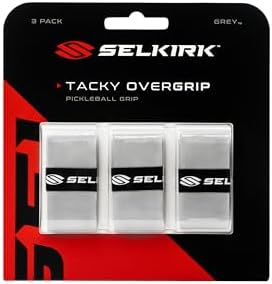
Direct-to-consumer buying means you cannot hold the paddle before it arrives, which makes grip circumference the riskiest number on the listing. An overgrip is the standard fix, adding a small amount of circumference and letting you tune tackiness. Nothing takes circumference away easily, so if you are between sizes, order the smaller grip and build it up.
Vatic Pro Against the Better Known Brands
The honest comparison is not about which paddle is objectively better but about what you are paying for on top of the paddle itself.
| Factor | Vatic Pro | Sponsored brands |
|---|---|---|
| Face construction | Textured carbon across the main range | Textured carbon at the upper tiers |
| Where you buy | Mostly direct and online | Retail plus online |
| Try before buying | Rarely possible | Sometimes in store or at a demo day |
| Range of shapes | Small, focused catalog | Wide, several lines deep |
| Resale interest | Lower | Higher for known lines |
What to Verify Before You Order
Because you cannot handle the paddle first, the published numbers carry more weight than usual. Check static weight, grip circumference, and grip length on the listing, and check core thickness if the model is offered in more than one. Grip length is the one people forget, and it decides whether a two-handed backhand is comfortable or cramped.
Read the return and warranty terms before ordering rather than after. Direct-to-consumer brands vary widely in how they handle returns, and a paddle that does not suit your hand is a much smaller problem when you already know what the return window looks like.
Face Texture Has a Finite Life
Textured carbon generates spin because the surface grips the ball, and that surface smooths with play on every brand at every price. A value paddle is not unusual in this respect, but if you play several times a week it is worth setting expectations early. Our guide to how long pickleball paddles last explains what wear actually looks like.
Tournament Approval Is Per Model
USA Pickleball lists individual paddle models on its approved list at usapickleball.org, and approval attaches to a specific model and generation rather than to a manufacturer. Newer and smaller brands are on the same footing as established ones here, so brand size tells you nothing either way.
If you plan to play sanctioned events, search the exact model name on the official list before ordering, and check again at the start of a season since the list is revised over time. Casual open play carries no equipment enforcement. Our overview of USA Pickleball approved paddles explains how to read it.
Common Mistakes When Buying Vatic Pro
The most common mistake is treating a value paddle as a shortcut past the learning curve. A textured carbon face gives spin to a player who already generates it with a brushing swing path; it does not create spin on its own. If your drops are inconsistent, the fix is court time and technique, and the paddle only helps once the mechanics are there.
The second mistake is guessing the grip size because the price makes the purchase feel low stakes. Grip is the one spec you cannot ignore on a paddle you have never held, and a grip that is too large tires your forearm through exactly the sessions where you are hitting the most balls. Measure your hand against the brand’s own guide before ordering.
Frequently Asked Questions
Are Vatic Pro paddles any good? Players consistently report that Vatic Pro delivers textured carbon construction and a control-oriented feel at a lower price bracket than sponsored brands, which is the brand’s whole proposition. What you give up is retail availability and the ability to try before buying.
Why are Vatic Pro paddles cheaper than JOOLA or Selkirk? Selling direct to players and spending little on pro sponsorship removes two large costs from the price of a paddle. The savings come from the business model rather than from a cheaper build.
Which Vatic Pro paddle should a beginner buy? A wider shape in the main family is the more forgiving starting point, though a true beginner is usually better off spending less on a first paddle and upgrading once they know the sport will stick.
Are Vatic Pro paddles USA Pickleball approved? Approval applies to specific models and generations rather than to brands. Search the exact model name on the official list at usapickleball.org before entering a sanctioned event.
Can I try a Vatic Pro paddle before buying? Rarely, since the brand sells mostly direct rather than through stores. Read the published specs carefully and check the return terms before ordering, as those replace the in-store handling you are giving up.
What grip size should I order? Measure your hand against the brand’s own grip guide, and if you fall between sizes, order the smaller grip and add an overgrip. Circumference is easy to add and hard to remove.
The Bottom Line
Vatic Pro makes the most sense for the player stepping up from a starter paddle who wants a textured carbon face without paying for a sponsorship budget. Pick the shape that matches where you play your points, verify weight, grip circumference, and grip length on the listing since you cannot hold the paddle first, and read the return terms before ordering. If you are still weighing brands rather than shapes, our framework for how to choose a pickleball paddle is the place to start.