Last updated: August 18, 2026
Search for a graphite pickleball paddle and you will find two kinds of results: older listings where graphite is the premium option, and newer ones where carbon fiber has apparently replaced it. That is confusing for a very specific reason. Graphite and carbon fiber are not opposites, they are two ways of describing carbon based materials, and the paddle industry uses the words as marketing conventions rather than as precise technical labels.
This guide untangles what brands usually mean when they write graphite on a product page, how that differs from what they mean by carbon fiber or raw carbon, and which one fits your game. We have not tested these paddles ourselves; the descriptions here reflect how manufacturers describe their own face constructions and what those descriptions imply on court.
Quick Answer
What is a graphite pickleball paddle, and is it different from carbon?
- Graphite is a form of carbon, so a graphite face and a carbon fiber face are cousins rather than rivals; the difference is in how the sheet is made and finished, not in the element itself.
- In paddle marketing, graphite usually signals a thin, light, relatively smooth face bonded to a honeycomb core, positioned around touch and control.
- Raw carbon fiber usually signals a woven, deliberately textured face positioned around spin generation, which is where most current marketing attention sits.
Bottom line: judge the paddle by how the brand describes the face texture, weight and core, not by whether the word on the box is graphite or carbon.
Graphite and Carbon Fiber Are the Same Family
Graphite is a crystalline form of carbon, and carbon fiber is made of carbon filaments woven or laid into a sheet. That means a paddle described as graphite and a paddle described as carbon fiber are both carbon based faces, which is why the marketing distinction confuses shoppers who expect the words to name two different materials.
What actually differs is the construction of the sheet and its surface finish. Manufacturers reserve graphite for thinner, lighter, generally smoother face layers, and reserve carbon fiber or raw carbon for woven sheets left with a coarser surface. Neither term is regulated, so two brands can use the same word for meaningfully different faces.
What Brands Usually Mean by Graphite
When a product page says graphite, it typically describes a thin face layer bonded over a polymer honeycomb core, chosen because it keeps overall paddle weight down while staying stiff. That combination is why graphite paddles are so often marketed toward touch, placement and quick hands rather than toward raw power.
The Practical Consequence
A lighter face means a paddle you can move faster in hand battles and hold up longer in a session without arm fatigue. It also means less mass behind the ball, so pace has to come from your swing rather than from the paddle.
Where the Category Sits Today
Graphite dominated paddle marketing for years and still describes a large part of the accessible and mid range market, particularly the models sold through mainstream retailers. Newer premium releases lean on raw carbon language instead, which is why graphite has quietly become the vocabulary of value and comfort rather than of cutting edge performance.
What Brands Usually Mean by Carbon Fiber
Carbon fiber, and especially raw carbon fiber, generally describes a woven sheet whose surface is left textured rather than painted smooth. That grit is the point: brands market it as biting the ball for extra spin, and pair it with thicker cores aimed at control oriented players.
The trade is texture wear over time and, usually, a higher position in the range. Our carbon fiber paddle guide covers the material in depth, including why raw carbon and branded carbon weaves are not interchangeable terms either.
Which One Fits Your Game
Pick based on what limits you right now. If you lose points because the paddle feels sluggish in fast exchanges or your arm tires, a lighter graphite face helps. If you lose points because your shots sit up without spin, a textured carbon face is the more useful direction.
Graphite Suits You If
You value quick hands at the kitchen, you play long sessions, you want a familiar and widely available construction, or you are buying a first paddle and would rather spend on fit than on face technology.
Carbon Suits You If
You already generate your own pace, you shape shots with spin, and you have reached the point where a face that grips the ball changes your results rather than just your spec sheet.
Graphite Paddles by Situation
The situations below cover most players who arrive specifically looking for graphite. Check the manufacturer’s stated weight, core thickness and grip circumference on any model you shortlist, since those three fields change the feel more than the face vocabulary does.
You Want a Light Paddle for Quick Hands
Players who get beaten in fast exchanges usually benefit more from a paddle they can move quickly than from one that hits harder. A graphite face keeps weight low, which is the whole appeal for net focused doubles players.

You Are Buying a Reliable First Paddle
Graphite faced paddles are widely available at accessible positions in most brand lineups, which makes them a sensible first purchase while you work out what you actually want. Prioritize a forgiving shape and a grip that fits, as covered in our beginner paddle guide.
You Want a Known Retail Name
Onix has sold graphite faced paddles through mainstream retail for years, and the brand is one of the easiest places to find the construction described plainly on the product page rather than buried under proprietary naming.
You Are Outfitting More Than One Player
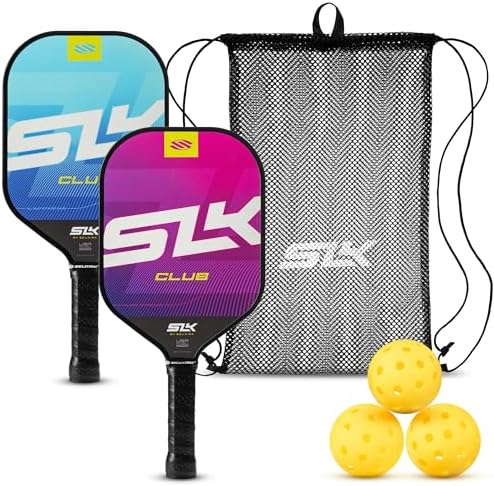
Graphite faced paddles turn up frequently in multi paddle sets, which solves the practical problem of getting a group on court. Expect middle of the road weights and grip sizes, since sets are built to suit everyone rather than to fit one player.

Graphite Versus Carbon Fiber Versus Fiberglass
The table lines up the three face vocabularies you will meet most often. Each entry reflects how manufacturers position these materials rather than independently measured performance, so use it to interpret product pages rather than as a ranking.
| Face type | Usually marketed as | Typical trade off | Common position in range |
|---|---|---|---|
| Graphite | Light, stiff, control and touch | Less mass behind the ball | Accessible to mid range |
| Raw carbon fiber | Textured face, spin generation | Texture wears with use | Mid to premium |
| Fiberglass or composite | Pop and a large forgiving zone | Less spin bite than textured carbon | Entry level |
| Hybrid layups | Blend of the above | Definitions vary widely by brand | Across the range |
Reading Past the Marketing Word
Because neither graphite nor carbon fiber is a regulated term on a pickleball paddle, the words alone cannot tell you how a paddle plays. What can tell you is the combination of stated weight, core thickness, shape and surface description, all of which brands publish on the product page.
Treat the material name as the first filter and those four fields as the actual decision. If a listing describes only the material and nothing else, that is a signal to look at a different listing rather than to assume the omission means anything good.
Frequently Asked Questions
Is graphite the same as carbon fiber on a pickleball paddle? Both are carbon based, so they belong to the same family. In practice, brands use graphite for thinner, lighter, smoother faces and carbon fiber for woven, textured ones, but neither term is regulated.
Is a graphite pickleball paddle good for beginners? It is a reasonable starting point, since graphite faces are widely available at accessible positions and keep paddle weight low. Shape and grip size still matter more for a new player than the face vocabulary.
Do graphite paddles generate less spin than raw carbon? Smoother faces generally bite the ball less than deliberately textured raw carbon surfaces, which is exactly why raw carbon is marketed around spin. How much difference you notice depends on your technique.
Are graphite paddles lighter than carbon fiber paddles? Often, because graphite face layers are typically thinner. Total paddle weight depends on the core and handle as well, so compare the manufacturer’s stated weight range rather than assuming.
Is graphite outdated for pickleball? No, but the marketing spotlight has moved. Graphite still describes a large share of accessible and mid range paddles, while premium releases lean on raw carbon language.
Are graphite paddles allowed in sanctioned play? Face material does not decide legality; USA Pickleball approves complete models and publishes results on its official list at usapickleball.org. Check the specific model before entering a sanctioned event.
The Bottom Line
A graphite pickleball paddle is not a lesser version of a carbon fiber one, it is the same material family described with different marketing vocabulary and finished a different way. Graphite generally means light, stiff and control leaning; raw carbon generally means textured and spin leaning. Decide with the stated weight, core thickness, shape and surface description rather than the word on the box, and read our carbon fiber paddle guide if you want the full picture on the other half of this comparison.