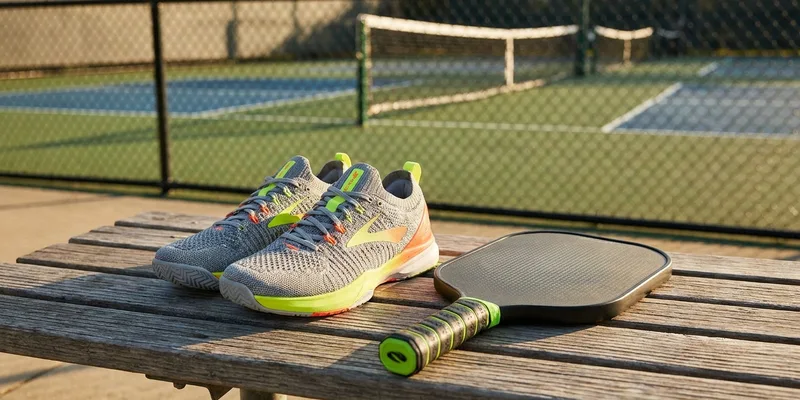
Last updated: August 18, 2026
Most court shoe brands hand you one width and expect your foot to adapt. New Balance built its reputation on doing the opposite, and that single difference is why the brand keeps coming up in pickleball conversations among players who have spent years fighting narrow toe boxes or heel slip in shoes that technically fit their length.
New Balance now lists court models specifically under pickleball rather than only under tennis, which makes the shopping easier than it used to be. This guide walks through what the brand actually offers, which line suits which kind of player, and where a wider fit matters more than the model name on the box.
Quick Answer
Which New Balance pickleball shoe should you buy?
- The FuelCell 996 line is the brand’s main court model and the default starting point for most pickleball players.
- The Fresh Foam X CT-Rally sits lower and lighter, aimed at players who want a quicker, less built up shoe.
- The numbered court models such as the 806 and 1007 lean toward stability and durability rather than speed.
- Width is the reason to shop New Balance at all, so pick the width first and the model second.
Bottom line: New Balance is the brand to try when your foot is wider or narrower than a standard court last, and the FuelCell 996 is where most players should start.
Why New Balance Keeps Coming Up in Pickleball
New Balance has offered multiple widths across much of its athletic range for decades, and that carries into its court shoes. For pickleball specifically, where the foot is pushed sideways against the upper hundreds of times per session, a shoe that matches your actual foot volume rather than just your length changes how secure the shoe feels during a hard cut.
The second reason is availability. New Balance sits in mainstream retail alongside its running range, so trying a court model on in person is realistic in a way it is not for several specialty racquet brands. Fit is the most common reason a court shoe disappoints, and being able to lace up two widths in a store removes most of that guesswork.
The Running Brand Question
Players who know New Balance mainly from running shoes sometimes assume the court range is a softer running platform with a different outsole. The court models are built on a separate chassis with a firmer base, lateral reinforcement through the upper, and outsole compounds intended for abrasive court surfaces rather than road. Judging the court line by the running line misreads what the shoe is designed to resist.
The New Balance Court Lines, Model by Model
New Balance organizes its court footwear around a handful of families that differ mainly in how much structure and cushioning they carry. The technologies repeat across the range, so once you understand what the brand means by FuelCell, Fresh Foam and NDurance, the choice becomes a matter of support level rather than marketing language.
FuelCell 996
The FuelCell 996 is the model New Balance markets most directly for pickleball, and it appears at open play more than anything else in the brand’s court range. It pairs a FuelCell foam midsole, the same responsive foam family the brand uses elsewhere, with a durable rubber outsole built for the abrasion a hard court delivers. Successive versions have refined the upper and the insole rather than changing what the shoe is for.
Fresh Foam X CT-Rally
The CT-Rally is the lighter, lower profile option, built around the Fresh Foam X midsole platform. It suits players who prefer to feel close to the court and move quickly rather than sit on a taller cushioned stack. It is generally the pick for lighter players, shorter sessions, or anyone who finds a heavily structured court shoe sluggish at the kitchen line.
The Numbered Court Models
Alongside the headline lines, New Balance keeps a set of numbered court shoes such as the 806, 796 and 1007 that lean toward stability, support and outsole durability. These tend to appeal to players who want a substantial, protective shoe and are less concerned with weight, and they are frequently the models available in the widest range of sizes.
New Balance Pickleball Shoes by Situation
Most Players Starting With the Brand
If you are new to New Balance court shoes and play recreational doubles a few times a week, the FuelCell 996 is the sensible default. It is the model the brand positions for pickleball, it is widely stocked, and it balances cushioning against the lateral base the sport needs.

Wide Feet That Never Fit Court Shoes
This is the reason most players end up here. New Balance offers court models in wider fittings more consistently than most specialty brands, which solves the forefoot pinch that shows up after an hour of play in a standard court last. Check the width code on the listing rather than assuming your usual size covers it.

Players Who Want a Lighter, Lower Shoe
The Fresh Foam X CT-Rally is the lower slung option for players who prioritize quick footwork and court feel over cushioning. Players moving down from a heavily built court shoe usually notice the difference in the first few points at the net.

Women Shopping the Court Line Specifically
New Balance builds its court models in a women’s last rather than offering only a unisex size conversion, and it carries narrow fittings as well as wide. That matters for players with lower volume feet who slide inside a men’s cut during lateral movement, a fit problem that no lacing trick fully solves.

Players Who Wear Shoes Out Quickly
If you grind through outsoles on outdoor asphalt, look at the models built around the brand’s more durable rubber compounds and reinforced drag areas rather than the lightest option in the range. Durability and weight pull against each other, and outdoor players usually come out ahead choosing durability.

Comparing the New Balance Court Options
| Line | Built for | Feel underfoot | Trade off |
|---|---|---|---|
| FuelCell 996 | General pickleball play | Cushioned but supportive | Not the lightest option in the range |
| Fresh Foam X CT-Rally | Quick footwork, court feel | Lower and lighter | Less protection over long sessions |
| Numbered court models | Stability and durability | Firm and substantial | Heavier, slower to break in |
Getting the Width Right
New Balance uses letter width codes rather than a single standard fit, and picking the correct one matters more in a court shoe than in a running shoe. Too narrow and the foot presses against the upper on every lateral cut, which is where hot spots and forefoot numbness come from. Too wide and the foot slides inside the shoe, which undermines exactly the stability you bought a court shoe for.
The practical approach is to measure both length and width rather than reordering the size you have always worn, since foot width commonly changes over the years while length stays roughly the same. If you are buying online, order the width you think you need alongside the next one over and return the loser, which is cheaper than a season in the wrong shoe.
Indoor and Outdoor Considerations
New Balance court models are generally built with non marking outsoles appropriate for indoor gym floors, and the same tread works outdoors on asphalt and concrete. What changes between the two is wear rate, since abrasive outdoor surfaces grind down any court outsole considerably faster than a wood or synthetic indoor floor.
If you split your time between surfaces, the common approach is to retire an older pair to outdoor duty and keep the newer pair for indoor sessions where grip and a clean outsole matter most. Facilities that require non marking soles will usually say so, and it is worth confirming on the product listing rather than assuming.
Where New Balance Is Not the Obvious Choice
Players chasing maximum lateral lockdown, particularly aggressive singles players who load the outside edge of the shoe hard, sometimes prefer a specialist court brand with a more aggressive stability chassis. Our Asics pickleball shoe guide covers the most common alternative in that direction.
The other case is price sensitivity. New Balance sits in the middle to upper part of the court shoe market, and players who want a purpose built pickleball shoe at a more accessible level often end up comparing against the Skechers Viper Court range instead. If you are still deciding between brands entirely, start with the pickleball shoe guide.
Frequently Asked Questions
Does New Balance make pickleball specific shoes? Yes. New Balance lists court models under pickleball as well as tennis, with the FuelCell 996 line as the most prominent pickleball option.
Can I use New Balance tennis shoes for pickleball? Yes. The court chassis, outsole and lateral support are the same requirements in both sports, which is why the brand sells many of the same models under both categories.
Are New Balance running shoes okay for pickleball? No. Running models are built for forward motion on a softer, taller platform that flexes unpredictably during lateral cuts. Use the court range instead.
Do New Balance pickleball shoes come in wide widths? Multiple width fittings are the brand’s main advantage in this category, including wider and narrower options on many court models. Check the width code on the specific listing.
What is the difference between FuelCell and Fresh Foam? They are different midsole foam platforms. FuelCell is the more responsive, propulsive family, while Fresh Foam is tuned toward a smoother, more cushioned ride, and the court models are built on both.
Do New Balance court shoes run true to size? Court models generally fit snugger through the midfoot than everyday sneakers by design, so check the model’s fit notes and treat width as a separate decision from length.
New Balance or Asics for pickleball? New Balance is the stronger option if width or fit is your problem. Asics builds more aggressive stability structures for players who want maximum lateral lockdown above all else.
The Bottom Line
New Balance earns its place in pickleball less through any single model than through fit range, which is the part of court shoe buying most brands ignore. Start with the FuelCell 996 if you want the general purpose option, the Fresh Foam X CT-Rally if you want something lighter and lower, and a numbered court model if durability matters more than weight. Get the width right first, then compare against the rest of the field in our pickleball shoe guide, and sort out what to wear on court once your footwear is settled.