Last updated: August 19, 2026
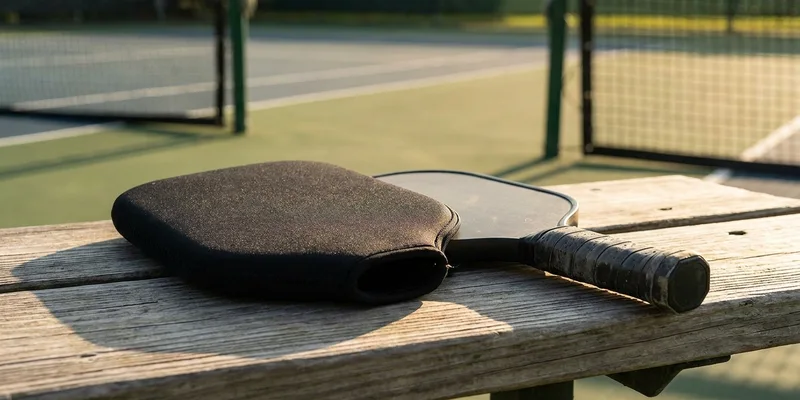
A paddle cover is one of the smallest pieces of gear in pickleball and it protects one of the most important. It is a slip-on sleeve, usually neoprene or a fleece-lined fabric, that goes over the paddle face and keeps it from getting scuffed by keys, balls, zippers, and every other hard object it shares a bag with.
It is also the accessory people most often confuse with a paddle bag, and the one with the widest gap between what buyers expect and what it actually does. This guide covers what a cover genuinely protects, where it stops, and how it differs from the paddle sleeve inside a full bag.
Quick Answer
Do you need a pickleball paddle cover?
- Yes if you toss your paddle into a general bag or a car with other gear, since surface scuffing is what a cover actually prevents.
- A cover protects the face and edge from abrasion, dust, and grit. It is not impact protection and it will not stop core damage from a drop.
- It is not a substitute for a bag, and a bag with a padded paddle sleeve is not a substitute for a cover either, since a cover stays on the paddle courtside.
- Check the shape: standard and elongated paddles need different cover dimensions.
Bottom line: a cover is abrasion protection for the paddle face, which is exactly the surface that generates spin.
What a Paddle Cover Actually Protects
A cover protects the paddle face and edge from abrasion: scuffs from keys and zippers, grit from a court bag floor, dust in storage, and the scratches a paddle picks up lying face down on a bench between games. On a textured face, that surface is not cosmetic, it is the part doing the work.
Why Face Texture Matters
Spin on a pickleball comes from the friction between ball and paddle face, and textured surfaces such as raw carbon fiber are built specifically to create that friction. As the texture wears down or fills with grime, the face grips the ball less. Our guide to what carbon fiber actually changes goes deeper into why the surface layer matters so much on modern paddles.
The Edge and the Edge Guard
The other vulnerable area is the edge, particularly on edgeless paddles that have no protective guard strip. A cover keeps the edge from knocking against hard objects in transit, which is where a lot of small chips and separations start on paddles that otherwise get treated well.
What a Cover Will Not Do
A neoprene or fabric cover is thin, flexible abrasion protection. It does not absorb a meaningful impact, so dropping a covered paddle on concrete carries much the same risk as dropping an uncovered one. Anyone expecting case-level protection from a slip-on sleeve is going to be disappointed.
It also does nothing about heat. Leaving a paddle in a closed car in summer exposes the core and the adhesive bonding the face to it to temperatures no fabric sleeve moderates, and heat exposure is one of the more commonly cited contributors to paddles going soft or delaminating early. Our article on how long paddles last covers what actually shortens paddle life.
Cover, Paddle Bag, or Bag Sleeve: The Difference
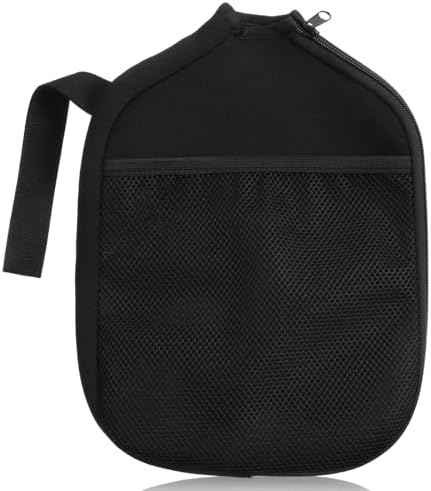
These three get used interchangeably and are not the same thing. A cover attaches to the paddle and travels with it everywhere. A paddle bag is a small bag sized for paddles and little else. A padded sleeve is a compartment inside a full pickleball bag. Many players end up using two of the three.
When a Cover Is Enough
If you carry one paddle, drive to the court, and do not need to bring shoes or a change of clothes, a cover on its own covers the actual risk. It is also the only one of the three that stays on the paddle at the court, which is where a lot of scuffing happens while the paddle waits between games.
When You Want the Bag Too
Once you carry balls, water, a towel, shoes, or a second paddle, you need a bag regardless. In that setup the cover still earns its place, because a padded sleeve protects the paddle from everything outside the sleeve while a cover protects it from whatever is in the same sleeve. Our pickleball bag guide covers choosing the bag itself.
Paddle Covers by Situation
The Standard Slip-On Cover
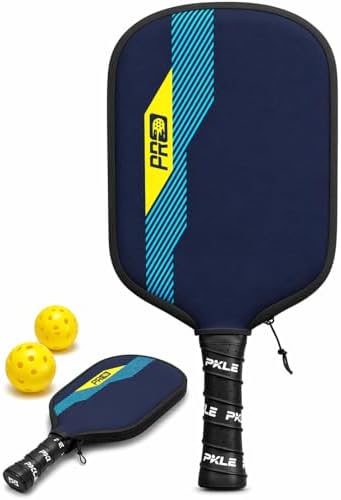
A neoprene or fleece-lined sleeve that covers the face and edge is the default and covers most players. Look for a soft inner lining rather than a bare synthetic interior, since the lining is what sits directly against the textured face.
Full Zippered Sleeves
Covers that zip closed around the whole paddle, including part of the handle, keep dust out entirely and stay on more reliably in a loaded bag than an open slip-on style. They are the better option for storage between seasons.
Players Who Want Real Impact Protection
A hard-shell paddle case is the only format that genuinely resists impact, at the cost of bulk. It suits players who travel with paddles by air or who transport several paddles in a car trunk with heavier equipment.

Carrying Two or More Paddles Without a Full Bag
A paddle-only bag holds two to four paddles plus balls and keys without the size of a backpack. It is the middle option between a cover and a full kit bag, and it is covered in more detail in our paddle bag guide.

As a Gift
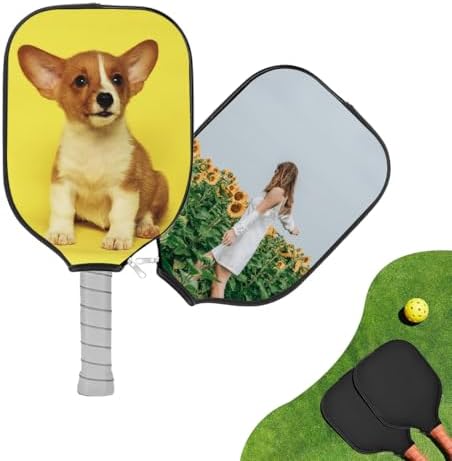
Personalized covers with a name or monogram are a common gift for a player who already has a paddle they like, since they add something personal without asking anyone to change equipment. The same logic applies to personalized paddles for players who have not settled on a model yet.
Comparing the Protection Options
| Option | Protects against | Stays on courtside | Bulk |
|---|---|---|---|
| Slip-on cover | Scuffs, dust, grit | Yes | Minimal |
| Zippered sleeve | Scuffs, dust, storage grime | Yes | Minimal |
| Hard case | Impact and crushing | No | High |
| Bag paddle sleeve | Contact with other gear | No | Part of the bag |
Fit, Materials, and What to Check
Cover dimensions are the detail most often overlooked. Standard-shape and elongated paddles differ in length, and a cover cut for a standard shape will not fully cover an elongated one. Check the stated dimensions against your paddle rather than assuming a single size fits everything.
On materials, neoprene is the common choice for grip and a bit of cushioning, while fleece-lined interiors are gentler on a textured face. Whatever the material, a cover should be dry before it goes on. Sealing a damp paddle inside a snug sleeve after an outdoor session traps moisture against the face and the edge seam.
Mistakes Worth Avoiding
The most common mistake is treating a cover as a case. It is abrasion protection, not impact protection, and expecting it to survive a paddle being dropped or sat on leads to an unpleasant surprise. If impact is the real risk in your situation, a hard case is the honest answer.
The second is skipping a cover entirely because the bag has a padded sleeve. The sleeve protects the paddle from the rest of the bag, but a paddle sitting face down on a bench between games, or riding loose in a car, is exposed either way. The cover is what covers those moments.
Frequently Asked Questions
What is the difference between a pickleball paddle cover and a paddle bag? A cover is a sleeve that goes on the paddle itself and stays with it. A paddle bag is a small bag that holds paddles plus a few extras. They solve different problems and many players use both.
Does a paddle cover protect against drops? Not meaningfully. Neoprene and fabric covers protect against scuffs, dust, and grit. For impact resistance you need a hard-shell case.
Will a cover keep my paddle safe in a hot car? No. A fabric cover does not insulate against the temperatures inside a closed car in summer, and heat exposure is one of the things most often blamed for paddles softening or delaminating early.
Do paddle covers fit elongated paddles? Only if the cover is sized for one. Elongated paddles are longer than standard shapes, so check the stated cover dimensions against your paddle before ordering.
Does a cover keep a textured paddle face grippy for longer? It helps by keeping grit and grime off the face between sessions, which is what dulls surface texture over time. It does not stop the wear that comes from actually hitting the ball.
Should you put a wet paddle in a cover? No. Let the paddle dry first, since a snug cover traps moisture against the face and the edge seam.
The Bottom Line
A pickleball paddle cover is abrasion protection for the surface that generates your spin, which makes it one of the most useful accessories relative to how little bulk it adds. It is not impact protection, not heat protection, and not a replacement for a bag. Check the dimensions against your paddle shape, keep the paddle dry before covering it, and pair it with the right pickleball bag if you carry more than the paddle itself.