Last updated: August 18, 2026
Nobody buys a pickleball shirt because they ran out of shirts. They buy one because the cotton tee they wore to open play turned into a wet towel by the second game, or because the collar of an old golf polo kept catching under their chin on the overhead. Those are fabric and cut problems, and both are fixable.
This guide sticks to the two things that decide whether a shirt works on court: what it is made of and how it is cut. Brand lineups in this category change constantly, so chasing a list of models is a waste of your time. Fabric behaviour and sleeve geometry do not change.
Quick Answer
What should you look for in a pickleball shirt?
- A polyester or polyester blend knit that moves moisture, not cotton, which holds it.
- A small amount of elastane so the shoulder can rotate through an overhead without the hem lifting.
- A cut with room through the chest and armhole, since a slim dress fit restricts exactly the movement you need.
- Long sleeves with a sun rating if you play outdoors midday, short sleeves or sleeveless if heat is the bigger issue.
Bottom line: fabric decides how you feel in game four, and the armhole decides whether you notice the shirt at all.
What Separates a Pickleball Shirt From Any Other Shirt
Functionally, very little separates a good pickleball shirt from a good tennis shirt. The demands are the same: repeated overhead reach, lateral movement, and long sessions in the heat. What makes a shirt wrong for the court is almost always cotton content, a restrictive armhole, or a hem that rides up when you reach.
The category exists mostly because pickleball players want to look like pickleball players, which is fine, but plenty of shirts sold under the label are ordinary graphic tees with a paddle printed on them. Read the fabric composition before you read the design.
Why the Sport Punishes Cotton
Cotton absorbs sweat and holds onto it. A saturated cotton shirt gets heavy, clings, stops breathing, and stays wet through the drive home. Synthetic knits move moisture along the fibre to the outer surface where it can evaporate, which is why they feel dry long after a cotton shirt has given up. That difference is the single biggest upgrade available in this category.
Fabric: What Actually Keeps You Comfortable
Most performance pickleball shirts are knit from polyester, often blended with a few percent elastane for stretch. Polyester is hydrophobic, so it does not soak up sweat the way cotton does, and the knit structure moves moisture outward to evaporate. That is the mechanism behind every “moisture wicking” claim on a hangtag.
Blends change the character. A little elastane gives stretch and recovery, poly and cotton blends feel softer but reintroduce some of cotton’s water retention, and nylon blends feel smoother. If the label leads with cotton, treat it as a casual shirt rather than a playing shirt.
Bamboo, Merino and Softer Alternatives
Bamboo viscose and merino wool both appear in athletic shirts and feel excellent against skin. Merino manages odour unusually well, while bamboo viscose is soft but generally dries more slowly than polyester. Treat both as comfort preferences rather than performance requirements.
Antimicrobial Finishes and Sun Protection
Two secondary features are worth understanding. Antimicrobial finishes reduce the smell polyester develops over time, though they are treatments rather than permanent properties and fade with washing. Sun protective fabric carries a UPF rating describing how much ultraviolet radiation it blocks, which matters for midday outdoor play.
Fit and Cut: Where Most Shirts Go Wrong
Fit failures on court happen in three places: the armhole, the hem, and the neck. A shirt can be made of perfect fabric and still be unwearable if the sleeve binds when you serve, and none of the three are visible in a flat product photo.
The armhole is the one to prioritise. Fashion cut shirts use a high, tight armhole that looks sharp standing still and pulls the whole shirt upward the moment you reach overhead. Athletic cuts use a lower or raglan style armhole that lets the shoulder rotate independently of the body of the shirt.
Length, Hem and the Tuck Question
A hem that is too short lifts clear of your waistband every time you stretch for a lob. If you tuck, you want extra length in the tail. If you do not, you want a hem low enough to stay put through a full reach. Try that reach before you cut the tags off.
Collars, Crews and Sleeveless
Polo collars are the traditional racquet sport look and some clubs still prefer them, but a stiff collar can chafe when it is wet. Crew necks avoid that entirely, and sleeveless tops maximise airflow at the cost of sun exposure. None of this affects performance much, so pick by comfort and by where you play.
Choosing a Shirt by How and Where You Play
Everyday Open Play in Warm Weather
A lightweight polyester crew or performance tee is the default and the easiest thing to get right. Look for a composition that leads with polyester, a hint of elastane, and an athletic rather than slim cut. Buy two or three so you are not washing the same shirt between sessions.

Women Who Want a Cut That Actually Fits
Women’s performance tops in this category range from fitted racerback tanks to relaxed tees, and the cut question matters more than the fabric question because so many are sized slim. Prioritise armhole freedom and a hem length you are happy with, and check whether the top is designed to be worn with a sports bra layered underneath.

Outdoor Play in Strong Sun
A long sleeve top with a UPF rating covers your arms and shoulders without reapplying sunscreen mid session. Modern versions are thin enough that many players find them cooler than short sleeves in direct sun, because the fabric keeps the sun off the skin while still breathing.

Club Play and a More Formal Look
A performance polo covers the venues that still expect a collar, and modern versions are knit from the same moisture moving fabrics as a plain tee rather than the heavy pique of an old golf shirt. Look for a soft, unstructured collar that will not stand up and rub once it is wet.

Gifts and Team Shirts
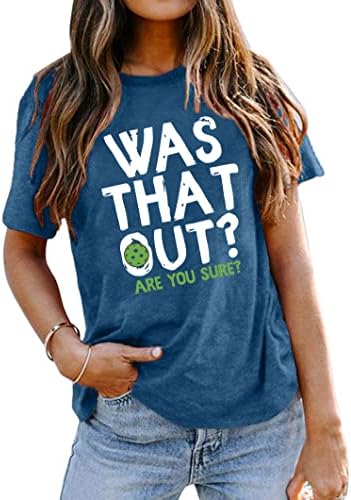
Graphic pickleball shirts are their own category and they are bought for different reasons. If it is going to be worn on court, the fabric rules still apply. If it is a joke shirt for a birthday, buy it for the joke and do not pretend it is playing kit.
Shirt Styles Compared
| Style | Strength | Best for | Trade off |
|---|---|---|---|
| Performance crew tee | Simple, breathable, no collar to chafe | Most recreational play | No sun coverage on the arms |
| Performance polo | Meets club dress expectations | Clubs and organised events | Collar can rub when saturated |
| Long sleeve UPF top | Covers arms and shoulders from sun | Midday outdoor play | Feels warm indoors or in still air |
| Sleeveless or tank | Maximum airflow and shoulder freedom | Hot conditions, indoor courts | No sun protection, less formal |
| Cotton graphic tee | Comfortable off court | Casual wear and gifts | Holds sweat and gets heavy in play |
Buying Pickleball Shirts as a Gift
Shirts spike as a gift category in December, and they are one of the safer things to buy a player who already owns a paddle they like. Nobody has too many shirts, and unlike a paddle there is no risk of buying something that clashes with how they play.
Sizing is the one hazard. Athletic cuts run smaller than casual sizing in many lines, so if you are guessing, size up rather than down and keep the receipt. Our pickleball gift guide covers the wider category if a shirt alone feels thin.
Mistakes Worth Avoiding
The most common mistake is buying on the graphic and discovering the fabric afterwards. A paddle print does not make a shirt a sports shirt, and a heavy cotton tee will behave exactly like every other heavy cotton tee once you sweat into it. Check the composition line first and the design second.
The second is treating performance fabric like ordinary laundry. Fabric softener coats synthetic fibres and blunts their ability to move moisture, and high heat in the dryer can damage elastane over time. Wash cool, skip the softener, and hang dry where you can.
Buying Only One
Players who join a regular group quickly discover that one good shirt is a laundry problem rather than a solution. If you are on court three times a week, plan for three in rotation, which also lets you work out which cut you prefer before committing to a full set.
Frequently Asked Questions
Can I just wear a regular t-shirt for pickleball? You can, and plenty of people do. A cotton tee simply holds sweat, gets heavy, and stays wet, so the longer your session the more you will notice the difference.
Are tennis shirts the same as pickleball shirts? Effectively yes. The movement demands overlap almost entirely, so tennis and other racquet sport tops work on a pickleball court without modification.
Do I need a collared shirt to play pickleball? Not for recreational play. Some clubs and organised events have dress codes that ask for a collar, so check the venue rather than assuming either way.
What does UPF mean on a shirt label? It is a rating for how much ultraviolet radiation the fabric blocks. It matters for outdoor daytime play and is unrelated to how well the shirt handles sweat.
How do I stop performance shirts from smelling? Wash them promptly rather than leaving them in a bag, skip the fabric softener, and use a cool wash. Odour control finishes help but fade over time.
Should a pickleball shirt be loose or fitted? Somewhere between. You want freedom at the shoulder and enough length at the hem, without so much excess fabric that it flaps into your swing.
Are long sleeve shirts too hot for summer play? Not always. A thin sun shirt in direct midday sun keeps the sun off your skin and many outdoor players find it more comfortable than bare arms.
The Bottom Line
Pick the fabric first: polyester or a polyester blend with a little stretch, not cotton, unless the shirt is for wearing off court. Then check the cut where it matters, which is the armhole, the hem length and the collar. Sleeve length is a sun and heat decision rather than a performance one. Buy enough of them that laundry is not a scheduling problem, wash them cool without softener, and the shirt disappears from your attention completely, which is exactly what you want. For the wider wardrobe, start with our pickleball clothing guide.