Last updated: August 19, 2026
Selkirk is one of the longest established names in American pickleball, known first for paddle lines such as Amped and Vanguard, and its bag range follows the same pattern: a wide lineup with clear steps in capacity rather than a single do-everything bag. That is useful once you know how the steps are laid out, and confusing before you do.
This guide maps the Selkirk bag range by size and format, explains which step suits which kind of player, and lists the specs worth verifying on a listing before ordering. If you are still weighing brands, our pickleball bag guide compares the styles across the category.
Quick Answer
Which Selkirk pickleball bag should you choose?
- Sling: one or two paddles and the basics, for players who want the least bag possible.
- Day bag or backpack: the middle step, and the right answer for most players who play weekly and change shoes at the court.
- Tour or team bag: multi-paddle capacity for tournament days, coaches, and players carrying gear for two.
- Selkirk refreshes its lineup periodically, so treat line names as a rough map and confirm capacity on the current listing.
Bottom line: choose the size step first, then check paddle sleeve capacity and whether the shoe compartment is ventilated.
How the Selkirk Bag Range Is Structured
Selkirk organizes its bags along two axes: size, which runs from a compact sling up to a full tour bag, and tier, which separates an everyday line from a premium line built with heavier materials and more compartments. Names such as the Core Series and Pro Line have appeared across recent generations of the range.
Because Selkirk refreshes its lineup periodically, line names are the least stable part of the range while the size steps stay consistent. The practical approach is to decide which size step you need, then look at what Selkirk currently offers at that step rather than searching for a specific historical model name.
The Sling: Least Bag, Fastest to Grab
A Selkirk sling is worn crossbody on one shoulder and holds a paddle or two, balls, a towel, keys, and a water bottle. It is the format for players who drive to a court, play, and drive home without changing shoes or bringing a spare shirt.
The constraint is what a single shoulder comfortably carries. Slings stay pleasant while the load is light and become noticeably less so once you add shoes. If you find yourself carrying a second bag alongside the sling, that is the signal to move up a step rather than to buy a bigger sling.
Day Bags and Backpacks: The Middle Step
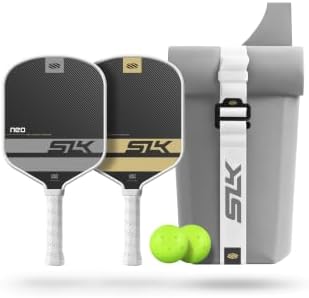
The middle of the range is where most regular players land. These bags carry across both shoulders, hold two to four paddles depending on the model, and add a ventilated shoe compartment plus separate pockets for personal items. That combination covers the standard weekly session without excess bulk.
What Separates Models at This Step
Three specs account for most of the difference: the number of paddles the sleeve is rated for, whether the shoe pocket is genuinely vented or a sealed compartment, and whether the bottle sleeve is insulated. All three are stated on the listing and all three change what the bag is like to use daily.
Tour and Team Bags: The Large End
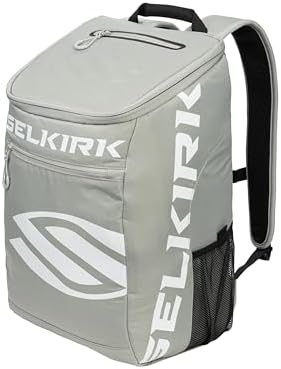
Tour and team bags are built for players carrying a full kit: several paddles, more than one pair of shoes, layers for outdoor weather, and enough water and food for a long day. They are also the format coaches and league organizers use, because one bag can hold gear for more than one player.
They are correspondingly large and heavy before anything goes in. If your current problem is that a backpack is slightly too small on tournament weekends, that is not usually enough reason to move up, since the bigger bag is with you every other session too. Move up when a backpack is consistently, not occasionally, too small.

Comparing the Size Steps
| Step | Typical paddle capacity | Suits | Trade-off |
|---|---|---|---|
| Sling | One to two | Quick sessions, minimal gear | One shoulder carries everything |
| Day bag or backpack | Two to four | Weekly play with a shoe change | Tight for a full tournament day |
| Tour bag | Multiple, plus full kit | Tournaments, all-day play | Heavy and bulky when half empty |
| Team bag | Highest in the range | Coaches, gear for two players | Not a bag you carry far |
What to Verify on the Listing
Paddle sleeve capacity is the first spec to check, and sleeve length is the second if you play with an elongated paddle, since elongated shapes are longer than standard ones. After that, confirm that the shoe compartment is ventilated rather than sealed, because a closed pocket holding damp shoes affects everything else in the bag.
It is also worth checking the strap system: a sternum strap on a backpack keeps a loaded bag from swinging, and wider contoured straps distribute weight better than flat webbing on the larger models. These details do not appear in headline marketing but they are usually listed in the specifications.
Pairing a Selkirk Bag With a Selkirk Paddle
Matching bag brand to paddle brand is a preference, not a requirement, since a padded sleeve holds any brand of paddle. The only compatibility question that genuinely matters is sleeve dimensions against paddle shape, and that applies whichever brand of bag you buy.
If you are choosing the paddle at the same time, our Selkirk paddle guide walks through the lines, and a paddle cover is worth adding regardless, since a bag sleeve protects a paddle in transit while a cover stays on it courtside between games.
Mistakes Worth Avoiding
Buying up a size step for a use case that happens twice a year is the most common mistake in the range. A tour bag carried half empty every week is heavier and more awkward than a correctly sized backpack, and the extra compartments go unused. Buy for your normal week.
The second is overloading a sling rated for two paddles with three or four. That stresses the seams and defeats the padded sleeve, which is no longer sized to keep each paddle separated from the others. If you consistently carry more than the stated capacity, the answer is the next size up rather than forcing the current one.
Frequently Asked Questions
How many paddles does a Selkirk bag hold? It depends on the size step, from one or two in a sling up to multiple paddles in a tour or team bag. Check the stated sleeve capacity on the specific listing, since it varies within the range.
Do Selkirk bags have a shoe compartment? The day bag, backpack, and larger formats generally include one. Confirm whether it is ventilated, since a sealed pocket traps moisture from damp court shoes.
What is the difference between Selkirk’s bag lines? Broadly, one tier is the everyday range and another is a premium tier with heavier materials and more compartments. Line names change when the lineup is refreshed, so compare current specs rather than names.
Is a Selkirk tour bag worth it for recreational play? Usually not. It is built for tournament days and multi-paddle players. Weekly open play is well covered by a day bag or backpack with less weight and bulk.
Will a Selkirk bag fit an elongated paddle? Check the stated sleeve dimensions. Elongated paddles are longer than standard shapes and can sit awkwardly in a sleeve cut for a standard paddle.
Do you need a Selkirk bag if you play with a Selkirk paddle? No. Any padded sleeve holds any paddle brand, so matching is a style choice rather than a functional one.
The Bottom Line
Pick a Selkirk pickleball bag by size step first, since the steps from sling to day bag to tour bag stay consistent while line names get refreshed. Verify paddle sleeve capacity, sleeve length against your paddle shape, and whether the shoe compartment is genuinely ventilated. Then compare against the alternatives in our pickleball bag guide and the JOOLA bag range before deciding.