Last updated: August 19, 2026
Paddles are not gendered equipment. There is no women’s category in the rulebook, no separate approval list, and in most catalogs a paddle marketed to women is the same build in a different colorway. What genuinely varies from player to player is hand size, swing speed, and how long you can hold a paddle up before your forearm complains, and none of those track neatly with anything printed on a box.
So this guide ignores the marketing and works through the two specs that decide whether a paddle fits your hand and your swing: grip circumference and weight distribution. Both are measurable, both are adjustable after purchase, and both get skipped in favour of comparing face materials. We have not tested these paddles ourselves, so what follows is manufacturer specification, category-level construction fact, and what players consistently report.
Quick Answer
What should women look for in a pickleball paddle?
- Grip circumference that fits your hand, since a grip that is too large forces you to squeeze and a grip that is too small kills touch on dinks.
- Swing weight rather than the static weight on the listing, because where the mass sits decides how heavy the paddle feels in play.
- Handle length, which matters most if you hit a two-handed backhand and is a hard constraint no technique work removes.
Bottom line: buy for your hand and your swing, not for the label, because a paddle sold as a women’s model is usually a standard build with a different finish.
What a Women’s Paddle Usually Means in Practice
In most catalogs it means one of three things: a colorway, a smaller grip circumference, or a lighter static weight. Only the last two change how the paddle plays, and both are available across the general range as well. That is the useful takeaway, because it opens up the entire market rather than the small corner of it with a gendered label.
It also means you should read the spec sheet rather than the category page. A paddle marketed at women with a standard grip will suit you less than an unbranded-for-anyone model with the circumference you need. Check the actual numbers, then judge the paddle on its build.
Grip Circumference: The Spec Most People Get Wrong
Grip circumference decides how hard you have to squeeze to keep the paddle stable. Too large and you clamp down, which tightens the forearm and flattens your touch. Too small and the paddle twists on off-centre contact, so you compensate by gripping harder anyway. Both errors end in the same place.
How to Check What Fits
The common check is to hold the paddle in your normal grip and see whether the index finger of your other hand slides comfortably into the gap between your fingertips and the base of your thumb. Too much room means the grip is small, no room at all means it is large. Our grip guide walks through the check in more detail.
Sizing Up Is Easy, Sizing Down Is Not
This is the practical reason to err small. An overgrip adds circumference, so a grip that is slightly too thin is a five minute fix. Reducing a grip means stripping it back and rewrapping, which is fiddly and not always possible. If you are between sizes and cannot try the paddle first, the smaller one leaves you more options.
Paddles by What You Need From the Handle and the Swing
You Want a Wide Range of Grip and Shape Options
Selkirk offers its lines across multiple shapes and configurations, which makes it one of the easier brands to match to a specific hand and swing rather than taking whatever the model comes with. Our Selkirk brand guide covers which line points at which style.

You Want a Straightforward, Widely Available Paddle
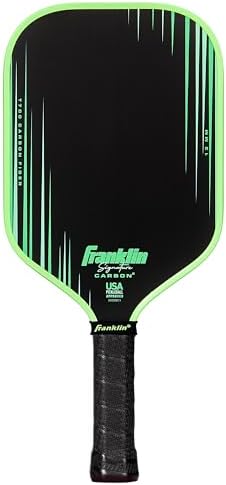
Franklin is stocked almost everywhere, which matters more than it sounds when grip size is your priority. Being able to hold two paddles in a shop and feel the difference beats any amount of spec comparison online.
You Want Lower Swing Weight for Faster Hands
If the paddle feels heavy by the third game or you are late in net exchanges, swing weight is the spec to change rather than the static weight. A standard shape with a head-light balance keeps the mass closer to your hand. Onix is a mainstream option with shapes across that range.

You Need to Add a Little Circumference
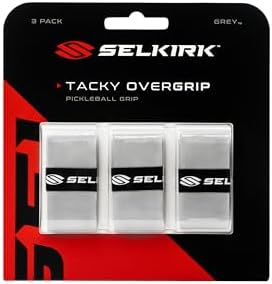
An overgrip is the cheapest adjustment in the sport. It builds up a grip that is slightly too thin, adds a bit of cushioning, and can be replaced whenever it goes slick. Our guide on grips and overgrips explains which one you are actually buying.
Your Grip Is Worn Rather Than Wrong
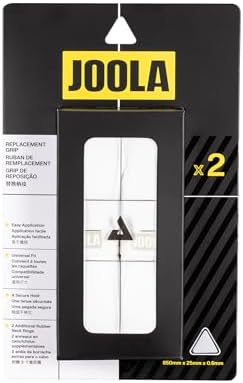
A hardened, slippery factory grip makes any paddle feel worse, and replacing the base grip rather than layering over it is the better fix when the original has gone. It also lets you choose a tackier or a more cushioned feel than the one the paddle shipped with.
What Actually Varies Between Players
The table lists the specs worth checking and what each one changes on court. These are category-level tendencies in how paddles are built and marketed, not measured results for any individual model, so confirm the numbers on the manufacturer’s product page.
| Spec | What it changes | Adjustable later? |
|---|---|---|
| Grip circumference | How hard you squeeze, touch on dinks | Yes, upward with an overgrip |
| Handle length | Whether a two-handed backhand fits | No |
| Swing weight | Hand speed at the net, fatigue | Partly, with weight tape |
| Static weight | Least useful number on the listing | Upward only |
| Core thickness | Control and dampening versus pop | No |
| Grip material | Tack, cushioning, sweat handling | Yes, replace or overwrap |
Mistakes Worth Avoiding
The most common one is buying the lightest paddle available. A very light paddle moves quickly but transmits more of the ball’s impact into your hand and gives you less mass to work with on drives, so players often end up swinging harder to compensate. Balance is the more useful target than a low number on the listing.
The second is treating a colorway as a spec. If a paddle sold as a women’s model has the grip circumference and swing weight you want, buy it, but check that it does rather than assuming. Plenty of players find their best fit in the general range and never look at the gendered category at all.
Ignoring the Rest of the Kit
Grip fit is one comfort variable and footwear is the other big one, since court movement puts lateral load on shoes that running shoes are not built for. Our court shoe guide covers what to look for, and our clothing guide deals with the rest of the kit.
Approval and Sanctioned Play
There is no separate approval process by category of player. USA Pickleball approves paddles per model and publishes current results on its Approved Paddle List at usapickleball.org, so search the exact model and generation you intend to buy regardless of how it is marketed.
Both the list and the rulebook are revised at the start of each year, which also governs what you may add to a paddle, including grip changes and weight tape. Check usapickleball.org directly rather than relying on packaging, a retailer badge, or an older article, including this one.
Frequently Asked Questions
Is there a difference between men’s and women’s pickleball paddles? Not as a rule. Paddles are not separated by category in the rules, and a model marketed to women is usually the same build in a different colorway, sometimes with a smaller grip or lighter weight.
What grip size should I choose? The one that lets you hold the paddle without squeezing. Use the index finger check between your fingertips and the base of your thumb, and if you are between sizes go smaller, because an overgrip can only add circumference.
Should I buy a lighter paddle? Look at swing weight rather than static weight. A very light paddle is quick but gives you less mass behind the ball and transmits more impact, so a balanced paddle often feels better over three games.
Does handle length matter? It matters a lot if you hit a two-handed backhand, and hardly at all if you do not. It is one of the few specs you cannot adjust after buying, so check it first.
Can I make a grip smaller? Not easily. Reducing circumference means stripping and rewrapping the handle, and how far you can go is limited. Adding is simple, which is why erring small is the safer call.
Do I need a paddle marketed for women at all? No. Shop the whole range on grip circumference, swing weight, and handle length, and buy whichever paddle fits those regardless of how it is labelled.
The Bottom Line
The specs that decide whether a paddle suits you are grip circumference, swing weight, and handle length, and none of them are gendered. Read the spec sheet rather than the category page, err on the smaller grip because an overgrip can only add, and judge swing weight by how the paddle feels in your third game rather than by the number on the listing. If you are buying your first paddle, our beginner guide covers the rest of the decision.
Related Reading
- How to Grip a Pickleball Paddle Correctly
- Pickleball Grip vs Overgrip: What Goes on Your Handle
- Pickleball Paddle for Beginners: How to Choose Your First One
- Pickleball Shoes for Women: What to Look For
- Women’s Pickleball Clothing: Building a Court Kit
- Pickleball Paddle Grips: Choosing a Replacement