Last updated: August 19, 2026
JOOLA and Selkirk are the two paddle brands most players end up choosing between, and the choice is rarely about materials. Both build textured carbon faces over honeycomb cores, both sell elongated and standard shapes, and both offer more than one core thickness. On paper they overlap almost completely.
Where they genuinely differ is in how the catalogs are organised, how long a name means the same thing, and what happens after the paddle arrives. This guide compares the two on those grounds, which are the ones you can actually act on. We do not test paddles ourselves, so the descriptions below rest on published specifications, brand positioning and what players consistently report.
Quick Answer
JOOLA or Selkirk: which paddle brand should you buy?
- JOOLA is the pro-driven, fast-moving catalog. Lines are refreshed on a roughly annual cycle and the flagship signature paddles lean toward power and spin.
- Selkirk is the continuity brand. Line names and shape names hold their meaning across years, which makes repeat buying and upgrading inside the brand simpler.
- Both cover the same shapes, thicknesses and face materials, so the paddle you end up with matters more than the badge on it.
Bottom line: pick JOOLA if you want the current performance flagship and you will read the generation marker, pick Selkirk if you want a lineup you can navigate without relearning it each season.
JOOLA vs Selkirk at a Glance
The table sets the two brands side by side on the points where they actually diverge. Everything here describes how each company organises and positions its range, not how any single paddle performs, since both brands sell paddles across the whole spectrum from forgiving to unforgiving.
| Point of difference | JOOLA | Selkirk |
|---|---|---|
| Background | Racquet sports company with table tennis roots | American, family-founded pickleball specialist |
| Catalog rhythm | Annual refresh, generations sold side by side | Long-running line and shape names |
| Naming logic | Line plus generation plus core thickness | Line equals build, shape name equals feel |
| Flagship character | Power and spin, pro signature lines | Refined feel, more variants within a line |
| Accessible option | Simpler builds under the same brand | SLK, its own accessible family |
| After the purchase | Check warranty terms per model | Advertises a lifetime warranty position |
The Real Difference Is How the Catalog Behaves
JOOLA runs several parallel lines and refreshes them on a roughly annual cycle, keeping the line name while changing the construction underneath. Selkirk keeps its line and shape names stable for years, so a player who liked one paddle can find its successor without decoding a new lineup.
Neither approach is wrong, but they suit different buyers. If you enjoy tracking what is current and you read the full model string before ordering, JOOLA’s rhythm gives you newer construction more often. If you want to buy the same shape again in three years without research, Selkirk’s continuity is the more comfortable place to be.
How to Read Each Brand’s Names
A JOOLA name stacks a line, a generation marker and a core thickness, and all three change how the paddle plays. A Selkirk name splits into a line, which sets the build and the bracket, and a shape name, which sets the feel. Our JOOLA brand guide and our Selkirk brand guide break both systems down in full.
Where the Two Brands Are Actually Similar
Both build textured carbon faces over polymer honeycomb cores, both sell elongated and wider shapes, both offer multiple core thicknesses across their main models, and both use thermoformed construction in their newer performance paddles. The engineering vocabulary is effectively shared across the whole category.
That is why the brand rarely predicts how a paddle plays. A thick-core wide-body from either company will feel more forgiving than a thin-core elongated paddle from the other. Choose the configuration first and let the badge follow, which is the argument our overview of how paddle brands differ makes across the whole market.
The Flagship Comparison Most Buyers Are Making
At the top of each range sits a performance paddle positioned around pace and spin, and these are the two listings that usually sit open in adjacent tabs. Both are built for players who already generate their own power and who want a paddle that rewards clean contact rather than one that covers for messy contact.
JOOLA at the Top: the Signature Line
JOOLA’s flagship is the Ben Johns signature paddle, built on a textured carbon face over the brand’s current performance core with foam in the perimeter. It is aimed squarely at drives, counters and put-aways. Our profile of the current Perseus signature generation covers what the model string has to say and what it asks of your game.

Selkirk at the Top: the Higher-Tier Build
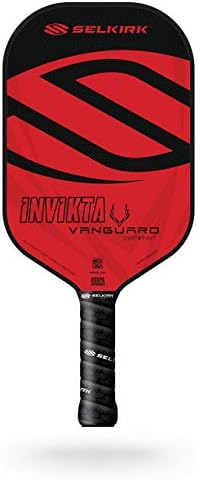
Selkirk’s upper tier sits above its mainstream family and offers both control-leaning and power-leaning variants inside the same line, including models with a cutaway throat. That variety is the point: you choose the character within the tier rather than jumping lines. Our look at the Amped Pro Air Invikta explains what a long Selkirk name is telling you.
Buying Lower Down the Range
Both brands sell paddles well below flagship level, and this is where the two catalogs feel most different. Selkirk gives its accessible paddles their own family name and keeps the same shape logic, so an entry buyer learns a system they can carry upward. JOOLA sells simpler builds under the main brand without a separate identity for them.
For a first paddle that difference is worth something, because it makes the upgrade path obvious. Whichever way you go, our beginner paddle guide covers what actually matters on a first purchase, and it is not the brand.
The Accessible Selkirk Family
Selkirk’s entry family uses simpler construction than the higher lines but follows the same shape and grip logic, which makes it a sensible way into the brand for someone who expects to upgrade later. Our guide to that family covers what you give up and what you keep.

The Accessible JOOLA Option
JOOLA’s more approachable paddles cover first-paddle buyers who want the brand without the flagship bracket, using simpler face and core constructions than the signature lines. Check the model string against the current lineup before assuming a discounted listing is a current build.

Price Brackets Without the Numbers
Both brands run a full ladder from accessible to flagship, and the two ladders sit in broadly similar territory at each rung. Neither is the budget brand and neither is the luxury brand, which is precisely why the comparison keeps coming up. Current pricing on any specific model is best read on the retailer page rather than in a guide.
What does differ is how often you see genuine discounts. JOOLA’s annual refresh pushes superseded generations onto clearance more regularly, so the brand can look cheaper than its flagship suggests. That is real value if you know which generation you are buying and a trap if you assume the review you read applies to it.
Durability, Warranty and What Happens After
Paddle lifespan is driven more by how often you play and on what surface than by which of these two brands you chose. Textured faces lose grit, cores soften, and edge guards take abuse on every brand. Our guide to how long paddles last covers the warning signs that a paddle is genuinely finished.
The brands do differ on what they promise afterwards. Selkirk advertises a lifetime warranty position on its paddles, which is worth reading in full on the brand’s own site since conditions and exclusions apply. JOOLA publishes warranty terms per product, so check the specific model page rather than assuming a blanket policy.
Accessories Follow the Paddle
Both brands sell bags, covers and grips alongside their paddles, and players who commit to one brand often end up matching the rest of the kit to it. Our looks at the JOOLA bag range and the Selkirk bag range cover what each brand actually offers there.
Approval Belongs to Models, Never to Brands
USA Pickleball publishes its official approved paddle list at usapickleball.org, and every entry on it is a specific model, not a manufacturer. Both JOOLA and Selkirk are established brands with paddles on that list, and neither fact tells you that the particular paddle in your cart is currently approved.
If you play sanctioned events, search the exact model string, including generation and thickness variant, before you buy, and check again at the start of a season. For open play there is no equipment enforcement. Our overview of what the approval label means explains how the list is maintained.
Frequently Asked Questions
Is JOOLA or Selkirk better? Neither is better across the board. JOOLA refreshes its performance lines more aggressively and leans toward pro-driven power paddles, while Selkirk offers more continuity and a clearer shape system. Match the configuration to your game and the brand becomes a secondary question.
Which brand is better for beginners? Selkirk’s accessible family gives newer players a clearer upgrade path inside one system, since the shape names stay meaningful as you move up the range. JOOLA also sells simpler builds, but they are less clearly separated from the flagship lines.
Which brand lasts longer? Lifespan depends far more on play frequency, court surface and storage than on the choice between these two. Textured faces lose grit and cores soften on every brand, so plan for spin to fade before power does.
Are Selkirk paddles made in the USA? Selkirk states that it manufactures its paddles in Idaho and makes that central to its brand positioning. Check the specific model page, since production details can differ by product.
Does JOOLA or Selkirk have the better warranty? Selkirk advertises a lifetime warranty position on its paddles while JOOLA publishes terms per product. Read the actual conditions on each brand’s own site before treating either as coverage, since exclusions apply.
Can I use a JOOLA paddle with a Selkirk grip or bag? Yes. Overgrips, covers and bags are not brand specific, so mixing accessories across brands is normal and changes nothing about the paddle.
Which brand do professionals use? Both brands sponsor professional players and both appear on tour. A pro endorsement tells you which contract exists, not which paddle suits a recreational swing.
The Bottom Line
JOOLA and Selkirk build from the same materials into the same shapes, so the honest comparison is about catalogs rather than construction. JOOLA moves faster, leans on pro signature lines and asks you to read the generation marker. Selkirk moves slower, keeps its names meaningful and makes the upgrade path obvious. Decide the shape and core thickness you want first, then buy it from whichever brand fits how you like to shop. If you are weighing more than these two, our overview of how paddle brands actually differ covers the wider market.
Related Reading
- JOOLA Pickleball Paddles: Which Line Fits You?
- Selkirk Pickleball Paddles: Which Line and Shape Fit You?
- Pickleball Paddle Brands: How They Actually Differ
- JOOLA Ben Johns Perseus Pro IV: Who Should Buy It
- Selkirk Amped Pro Air Invikta: A Closer Look
- How to Choose a Pickleball Paddle
- USA Pickleball Approved Paddles: What the Label Means