Last updated: August 19, 2026
This is an equipment comfort article, not medical advice. If your elbow hurts, the first stop is a doctor or a physical therapist, not a checkout page. No paddle prevents, treats, or cures an injury, and anyone selling one on that basis is telling you something they cannot support. What a paddle can do is feel harsher or softer in the hand, and that is the whole of what this guide covers.
With that said, comfort is a real reason to choose one paddle over another, and players who deal with elbow discomfort do tend to gravitate toward a recognisable set of characteristics. Below is what those characteristics are, why players report preferring them, and what equipment cannot do for you. We have not tested these paddles ourselves, so what follows is manufacturer specification, category-level construction fact, and what players consistently report.
Quick Answer
What kind of pickleball paddle do players with elbow discomfort prefer?
- A thicker, more dampened core, since thicker cores are generally built and marketed to absorb energy rather than return it.
- A lower swing weight and a balance closer to the hand, which players report as less demanding through a long session.
- A grip that fits, because squeezing a handle that is too small or too large keeps the forearm working the entire time you play.
Important: paddle choice is a comfort decision. If you have pain, see a doctor or physical therapist before changing anything about how you play.
Why the Paddle Is Not the First Question
Elbow complaints in racquet and paddle sports are usually discussed in terms of load: how much you play, how you strike the ball, and how quickly you increased your playing volume. Equipment sits alongside those factors rather than above them, so buying a softer paddle while playing six days a week with the same technique changes the smallest variable in the picture.
That is why the sensible order is a professional assessment first, then a look at how much and how you are playing, and only then the gear. Our article on pickleball elbow covers what players commonly mean by the term and when to get it looked at.
The Comfort Characteristics Players Look For
Three paddle properties come up again and again in these conversations. None of them is a health feature, and none is a claim about outcomes. They are simply the things that change how much of the impact you feel and how hard your forearm works while you hold the paddle.
Core Thickness and Dampening
Thicker cores are generally built and marketed to absorb energy rather than return it, and players describe them as softer and more muted at contact. Thinner cores are marketed toward pop and a firmer response, and are commonly described as harsher on off-centre hits. Players with elbow discomfort tend to prefer the former.
Swing Weight and Where the Mass Sits
Static weight is the number on the listing; swing weight is how heavy the paddle feels when you move it, which depends on how far the mass sits from your hand. A head-heavy paddle asks more of the forearm to start and stop, especially in fast exchanges, which is why a balance closer to the hand is the common preference here.
Paddle Types Players Commonly Choose
You Want the Most Dampened Build You Can Find
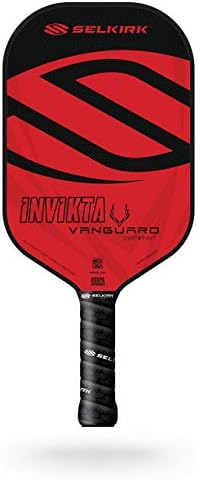
Selkirk’s Vanguard family is positioned around a softer, dampened response and is available across the brand’s shape range, so you can pick the shape you are used to and change only the feel at contact. This is the usual starting point for players prioritising a muted paddle.
You Want a Long-Established Manufacturer
Paddletek has been building performance paddles for a long time and its range spans control-leaning models with thicker cores. Consistency between model years matters if you find something comfortable and want to be able to buy it again.

You Want Feel and Control Rather Than Pop
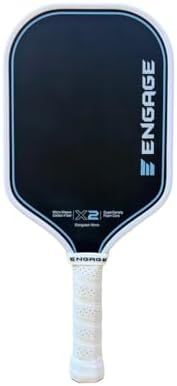
Engage markets its range around control and touch instead of raw output, which lines up with what players looking for a softer contact tend to describe. It is worth comparing directly against a thermoformed power paddle to feel how different the two categories are.
Your Grip Is Making You Squeeze
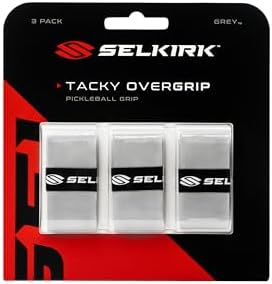
A grip that does not fit keeps the forearm engaged for the whole session, and it is the cheapest thing on this page to change. A cushioned overgrip builds up a handle that is slightly too thin and adds padding at the same time. Our guide to grips and overgrips explains which one you need.
What Each Factor Changes
The table sorts the comfort variables and what players report about them. These are category-level tendencies in how paddles are built and marketed, not measured results or health outcomes, so confirm the specs on the manufacturer’s product page and discuss anything symptom related with a clinician.
| Factor | What players report | Cost of changing it |
|---|---|---|
| Thicker core | Softer, more muted contact | Less pop on drives |
| Lower swing weight | Less demanding over a session | Less leverage and pace |
| Head-light balance | Easier to start and stop | Feels less stable on drives |
| Grip that fits | Less squeezing throughout play | Only the price of a grip |
| Cushioned overgrip | More padding at the handle | Slightly less direct feel |
| Softer ball choice | Less abrupt contact indoors | Different bounce and flight |
What Equipment Cannot Do
A paddle cannot prevent an injury, shorten a recovery, or make it safe to keep playing through pain. Those are clinical questions and they belong with a doctor or a physical therapist who can actually look at your arm. Treat any product marketed on those grounds with suspicion, because the claim is not one an equipment maker is in a position to make.
Equipment also cannot fix technique or workload. Players commonly discuss late contact, wrist-led swings, and sharp increases in playing volume as the factors that matter most, and a coach can see those in a way a spec sheet cannot. If you are changing your paddle because your elbow hurts, change one thing at a time so you can tell what actually helped.
Modifications and Sanctioned Play
Adding weight or changing a grip counts as a modification, and what is permitted is governed by the rulebook in force for your event. USA Pickleball publishes its current rules and its Approved Paddle List at usapickleball.org and revises both at the start of each year, so check there rather than relying on packaging or an older article, including this one.
Frequently Asked Questions
Can a pickleball paddle prevent tennis elbow? No. Paddles are comfort equipment, not medical devices, and no paddle prevents or treats an injury. If you have elbow pain, speak to a doctor or physical therapist.
What paddle do players with elbow discomfort usually prefer? They commonly gravitate toward a thicker, more dampened core, a lower swing weight with the balance closer to the hand, and a grip that fits without squeezing.
Is a heavier or lighter paddle more comfortable? Players report that swing weight matters more than the static number, since a head-heavy paddle asks more of the forearm to start and stop. Very light paddles are not automatically gentler, because they transmit more of the impact.
Does grip size affect elbow comfort? Players consistently report that a grip that is too small or too large makes them squeeze harder throughout a session. Whether that relates to your symptoms is a question for a clinician, but grip fit is worth checking regardless.
Should I stop playing if my elbow hurts? That is a decision for a medical professional who has assessed you, not for an equipment guide. Do not use a paddle change as a reason to keep playing through pain.
Do thicker cores really feel softer? Thicker cores are generally built and marketed to absorb energy rather than return it, and players describe them as more muted at contact. It is a feel difference, not a health claim.
The Bottom Line
If your elbow hurts, see a doctor or a physical therapist first, because no paddle prevents or treats an injury and no equipment guide can assess your arm. As a comfort decision, players dealing with discomfort commonly prefer a thicker dampened core, a lower swing weight balanced closer to the hand, and a grip that fits without squeezing. Change one thing at a time. Our pickleball elbow article covers what players mean by the term, and our control paddle guide explains what a dampened build gives up.