Last updated: August 19, 2026
Very few people shop for a quiet paddle out of curiosity. They shop because a neighbor knocked, because the HOA sent a letter about the courts behind the clubhouse, or because the community center posted quiet hours and the morning group now has nowhere to play. The paddle is the piece of equipment most under a player’s control, and it turns out to matter more than most players assume.
This guide covers what actually makes one paddle quieter than another, what you give up when you buy for sound, and how to check what your facility requires before you spend anything. Its companion piece on quiet pickleball balls handles the other half of the same problem.
Quick Answer
What makes a pickleball paddle quiet?
- Damping, not silence. A quieter paddle lowers the pitch and shortens the ring of the impact rather than removing the sound.
- Foam filled and thermoformed paddles generally sound duller than a raw honeycomb core, because there is less open air inside the panel to resonate.
- Softer, more flexible faces spread the contact over marginally more time, which takes the sharp edge off the crack.
- Quieter usually means softer feeling and often less pop, so decide whether that suits how you play before buying.
If a specific facility rule is driving the purchase, ask what that facility actually requires before you shop.
Why the Paddle Is the Loud Half
The noise complaint about pickleball is not really about volume. It is about a short, high pitched crack repeating every second or two for hours, carrying across open ground in a way that a lower, duller thud does not. Pitch and repetition are what make the sound travel and what make it irritating at a distance.
That crack is produced by a rigid ball meeting a rigid panel. The ball is a fixed variable in organized play, which leaves the paddle as the surface you can change. Anything that makes the panel absorb more of the impact energy, or that stops it ringing afterwards, lowers the pitch of what the neighbors hear.
A Paddle Is a Drum
A standard paddle is a honeycomb core sandwiched between two thin faces, which is structurally close to a drum head over an air cavity. Struck sharply, it rings. Most of what separates a loud paddle from a quiet one is how much that cavity is damped, which is why core construction matters more than the face material people usually shop on.
What Actually Makes a Paddle Quieter
Three construction choices do most of the work: filling or damping the core, bonding the panel so it flexes as one piece instead of vibrating in sections, and using a softer face that deforms slightly on contact. Manufacturers combine these differently, and no single spec on a listing tells you the whole story.
Foam Filled and Foam Core Panels
Filling the core with foam, or edge filling a honeycomb core with it, removes the open air that lets a panel ring. The impact still happens, but the sound decays almost immediately instead of carrying, which is the difference most people hear from across a fence.

Thermoformed Construction
Thermoformed paddles are pressed and bonded as a unit with a formed perimeter rather than assembled with a separate edge guard around a loose core. That construction tends to produce a lower, more muted sound than an older cold pressed panel, alongside the stiffer feel and larger sweet spot that thermoforming is normally marketed on.

Paddles Sold Specifically for Quiet Play
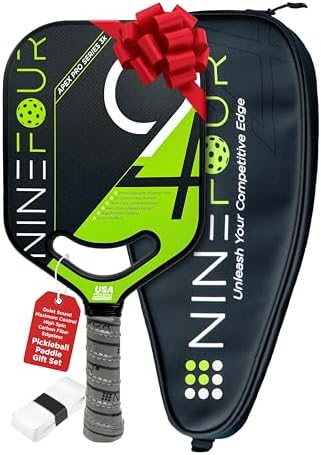
Some manufacturers now build and market paddles for noise sensitive settings, aimed squarely at HOAs, retirement communities, and clubs under pressure. Treat the marketing as a claim about degree rather than a promise, and check whether the model is accepted where you intend to use it before buying a set of them.
Practice and Backyard Setups
If the problem is a driveway rather than a club, the cheapest fix is usually a quieter paddle paired with a foam ball, which drops the sound far more than either change on its own. That combination makes casual family play possible in places where a hard ball and a raw honeycomb paddle would be unwelcome within minutes.
What Quiet Costs You in Play
Nothing here is free. Damping a panel means absorbing energy that would otherwise have gone back into the ball, so the same construction that lowers the sound usually softens the feel and, on many designs, reduces raw pop. Understanding which trade you are making is the difference between a solution and a returned paddle.
| Construction | Sound | How it plays | Best for |
|---|---|---|---|
| Raw honeycomb core | Loudest, sharp and high pitched | Crisp, poppy, plenty of feedback | Courts with no noise restrictions |
| Foam filled or foam core | Noticeably duller and shorter | Softer, more absorbed feel | Neighborhoods and noise sensitive clubs |
| Thermoformed | Lower pitched than cold pressed | Stiff and powerful, larger sweet spot | Players who want quiet without losing pace |
| Marketed quiet models | Reduced, not silent | Varies widely by model | Facilities with a specific rule to satisfy |
The one thing worth being blunt about is that no paddle makes the game inaudible. If a neighbor has told you they can hear the courts, the realistic goal is a lower and less piercing sound rather than a silent one.
Check the Rule Before You Check the Reviews
Communities handle this in different ways, and the requirement is set locally. Some facilities specify equipment, some restrict hours, some do both, and a handful maintain their own approved list. Buying first and asking afterwards is how people end up with four paddles that do not satisfy the rule they were bought for.
Where a governing body designation is involved, the current criteria and any equipment designations are published by USA Pickleball at usapickleball.org rather than by retailers, and designations change. A listing that calls a paddle quiet approved is a marketing line until you have confirmed it against the source or against the facility that set the rule.
Ask Three Questions
Does the rule name specific equipment or does it name hours. Is there a list, and who maintains it. And does it apply to paddles, balls, or both. Those three answers usually turn a vague complaint into a purchase you can actually make with confidence.
What Else Moves the Needle
The paddle and the ball together change the sound more than either alone, which is why most successful fixes are a package. Beyond equipment, court siting, acoustic barrier panels or fencing screens, and agreed playing hours all do more than any paddle swap where a permanent court sits close to housing.
Group buy in matters as much as the hardware. One player with a damped paddle in a foursome barely changes what a neighbor hears, because the other three are still producing the sound that prompted the complaint. If a club is addressing noise seriously, it is a decision for the whole group rather than for individuals.
If You Are Choosing a Paddle Anyway
Quiet construction overlaps heavily with the control oriented paddles many players want regardless of noise, so this does not have to be a compromise purchase. Our guides to carbon fiber paddles and paddles built for control cover the same designs from the playing side, and how to choose a pickleball paddle walks through the rest of the decision.
Frequently Asked Questions
What is the quietest pickleball paddle? There is no single quietest model, and any site naming one without measurements is guessing. Foam filled and thermoformed constructions are the quieter families, and marketed quiet models vary widely within that.
Are foam core paddles really quieter than honeycomb? Generally yes. Filling the core removes the open air that lets the panel ring, so the impact decays faster and sits at a lower pitch than a raw honeycomb panel produces.
Is there an official quiet paddle list? Governing body criteria and equipment designations are published by USA Pickleball at usapickleball.org, and individual facilities and communities sometimes maintain their own lists. Check the source that applies to your court rather than a retailer listing.
Does a quiet paddle mean less power? Often, though not always. Damping absorbs energy that would otherwise return to the ball, so the softer feel is real, but thermoformed designs manage to be both stiff and comparatively muted.
Will a quiet paddle satisfy my HOA? Only if it meets whatever the HOA actually specified. Ask whether the rule names equipment, playing hours, or both before buying, since plenty of restrictions are about time rather than gear.
Should I change the paddle or the ball first? Change both if you can. The paddle usually makes the larger difference, but a foam or indoor ball with a damped paddle is a much bigger drop than either change on its own.
Do edge guards or lead tape affect paddle noise? Added mass and damping material can change how a panel rings slightly, but neither is a reliable noise solution and weight changes affect how the paddle plays.
The Bottom Line
A quieter paddle is a real fix with real limits. Foam filled and thermoformed constructions damp the panel so the impact sounds lower and dies faster, which is the change neighbors actually notice, and paddles marketed for quiet play take that further at varying degrees of honesty. What you trade is some pop and some crispness of feel. Confirm what your facility requires before you buy, get the whole group on the same equipment, and pair the paddle with a softer ball, because the two together do far more than either alone. Start with the companion guide to quiet pickleball balls.