Last updated: August 19, 2026
You will recognize a Bread and Butter paddle across two courts. The brand, often shortened to B&B, built its identity on loud graphics and a personality that most equipment companies would consider a risk, and it grew through community and social media rather than through pro shops and shelf space.
What surprises people is that the paddles back it up. The models have appeared near the top of independent reviewer lists, and the Loco in particular turned a brand known for its looks into one that gets discussed on performance. This guide covers what each model is, where you buy them, and what changes when a brand sells mostly direct. We do not test paddles ourselves, so this is built on published construction details and on what players and independent reviewers consistently report.
Quick Answer
Are Bread and Butter pickleball paddles worth buying?
- Yes for intermediate and advanced players. It is a genuine performance brand with a strong independent review record, not a graphics company that happens to sell paddles.
- The Loco is the full foam power paddle and the model driving most of the current interest. The Filth is the raw carbon classic that leans toward touch. The Shogun uses a titanium weave and sits between them.
- Each model comes in more than one shape, so decide on hybrid, elongated, or standard before you decide on a model.
- It sells mainly direct plus a handful of specialist retailers, so returns and warranty run through the brand rather than through a marketplace.
Short version: pick the model by how you play, not by which graphic you like, then check the shape.
What Bread and Butter Actually Is
Bread and Butter is a direct-to-consumer pickleball company that sells paddles and apparel from its own site, with limited distribution through specialist pickleball retailers. It is smaller than the flagship names, it moves faster than they do, and its visibility comes from players and reviewers rather than from sponsorship budgets.
The brand’s reputation has two halves that people tend to confuse. The designs are what get it noticed, and the construction is what keeps it in the conversation. Judging the paddles by the graphics is the single most common mistake buyers make with this brand, in both directions.
Why the Designs Matter More Than They Should
A paddle you like looking at is a paddle you take to the court, and there is no shame in that. It also makes these paddles unusually popular as gifts, which creates a specific problem: shape and grip size matter far more than the artwork, and neither is visible in a photograph. Buy for the player, not for the picture.
The Lineup, Model by Model
Three models carry the range, and they are genuinely different tools rather than trim levels of the same paddle. The core construction is what separates them, and each is offered in more than one shape, which is the second decision you make after picking a model.
| Model | Construction | Who it suits |
|---|---|---|
| Loco | Full foam core, the brand’s power build | Players who want drive and a large forgiving area |
| Filth | Classic raw carbon fiber construction | Touch and control players who live at the kitchen line |
| Shogun | Titanium weave face | Players who find raw carbon too stiff and want an all-court balance |
Whichever you choose, check the shape on the listing. An elongated version of any of these plays noticeably differently from the standard version of the same paddle, and the shape difference is larger than most people expect.
The Loco
The Loco is the brand’s full foam core paddle and the reason interest in Bread and Butter has climbed so sharply. Foam builds generate the combination that everyone is chasing right now, real power with a big forgiving area, and reviewers place the Loco among the stronger paddles in that category rather than as a value-bracket imitation of one.
The trade-off is the one every power paddle carries. More pop means less margin on soft shots, so the reset and the dink require more attention than they do on a control paddle, and players moving from a plush build usually need a few sessions to recalibrate. Our guide to paddles built for power explains where that ceiling sits.
The Filth
The Filth is the paddle that established the brand and it remains the choice for players on the other side of the power question. It uses classic raw carbon construction rather than foam, and reviewers consistently describe it as the touch and control option in the current lineup, sitting well below the Loco on drive and power.
That makes the two models a genuine fork rather than a good and better tier. If your game is built on dinks, resets, and speed at the net, the Filth is the model to look at, and our overview of control paddles covers what to compare it against.
The Shogun
The Shogun is the newest direction, built around a titanium weave face rather than the raw carbon or foam used in the other two. The stated intent is to take the harshness out of a raw carbon face without giving up its output, which puts the paddle between the Filth and the Loco rather than above either.
It is the model to consider if you have tried a stiff raw carbon paddle and found the feel unforgiving, and it is the hardest of the three to judge from a spec sheet because face materials behave differently for different swing styles.
The Bag and the Rest of the Kit
The brand also sells a pickleball bag and apparel in the same visual language, which is worth a line only because people who like the paddles usually like the rest. If the bag itself is what you are shopping for, our pickleball bag guide compares what to look for across brands, including the details that matter more than the print.
Where to Buy One and What That Changes
Bread and Butter sells primarily from its own site, with a limited presence at specialist pickleball retailers. That mostly removes the marketplace safety net: no third-party seller ratings, no familiar return window, and no shop where you can hold three shapes before committing to one.
None of that is a red flag, it is simply the model, and it is where the value comes from. The practical consequence is that the fine print deserves more attention than it does on a marketplace purchase, so read it before you order rather than after the paddle arrives.
The Three Fields to Read First
Return window and who pays return shipping, warranty length and what voids it, and whether a paddle you dislike can be exchanged for a different shape or grip size. Grip circumference is the one you cannot undo, since it can be built up with an overgrip but never reduced, so order at or below your measured size. Our grip and overgrip guide explains how much you can safely add.
Alternatives You Can Buy Through the Usual Channels
Because the brand sells mostly direct, the options here are the paddles most often cross-shopped against it rather than Bread and Butter itself. Each one covers a different reason somebody was looking at a B&B paddle in the first place.
Foam Power With a Normal Return Path
If the Loco is what caught your eye, foam core construction has spread across the market and several versions are available through the usual retail channels. Our power paddle guide covers what generates the pop and what it costs you in touch.
Control From a Specialist Brand
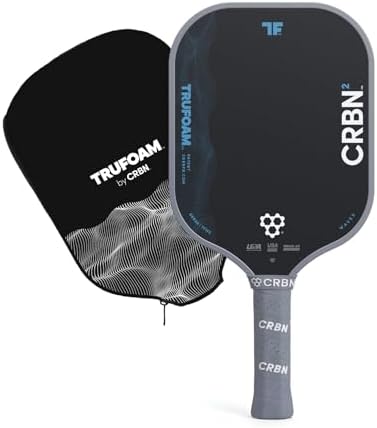
Players drawn to the Filth are shopping for feel rather than for graphics, and the control-first specialists are the obvious cross-shop. Our CRBN guide covers a brand built around exactly that priority.

An Established Name With Retail Warranty
If what makes you hesitate is buying from an unfamiliar site, an established manufacturer sold through normal channels solves that without giving up performance. Our Paddletek guide covers a long-running American brand with a conventional support path.

Buying It as a Gift
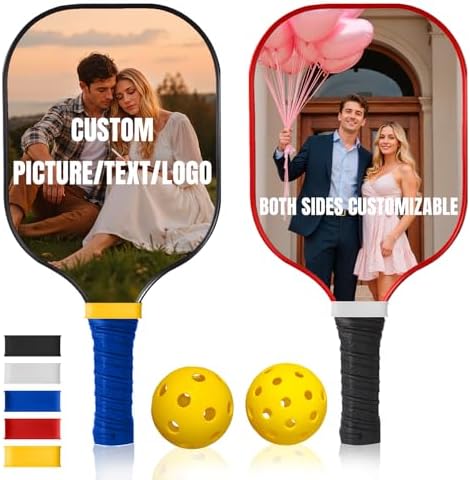
A striking paddle is a tempting present, and a wrong grip size is a bad one. If the visual appeal is the point, a customizable paddle bought through a normal return path is the lower-risk version of the same idea, as our personalized paddle guide explains.
Approval for Sanctioned Play
USA Pickleball approves paddles per model and per version, and it publishes current results on its official list at usapickleball.org. Approval is never granted to a brand as a whole, so nothing anyone says about Bread and Butter in general answers the question for the specific paddle and shape you are considering.
That distinction matters here because each model exists in several shapes and gets revised over time. If you compete, search the exact model and shape on the official list before ordering, and remember that standards are revised. Our overview of what the approval label means explains how the list works.
Who Should Look Elsewhere
Complete beginners, mostly. These paddles are aimed at players who already shape the ball, the return path is less forgiving than a marketplace purchase, and someone who is not yet sure the sport will stick is better served by an inexpensive paddle they can send back easily.
The same applies to anyone who wants to demo several shapes before committing, which a mostly direct brand cannot offer. Our beginner paddle guide covers the sensible first purchase, and our overview of how paddle brands differ lines up the field.
Frequently Asked Questions
Is Bread and Butter a good pickleball brand? Yes. It is a genuine performance brand with a strong independent review record, and its paddles are regularly compared against far more expensive flagship models rather than against novelty products.
Loco or Filth, which should I buy? The Loco if you want power and a large forgiving area, the Filth if your game is built on touch, resets, and hands at the net. They are built for opposite players rather than being two tiers of the same paddle.
What is the Shogun? The model built around a titanium weave face rather than raw carbon or foam. It is aimed at players who find a stiff raw carbon paddle unforgiving and want something between the Filth and the Loco.
Where do you buy Bread and Butter paddles? Mainly through the brand’s own website, with limited availability at specialist pickleball retailers. Read the return and warranty terms before ordering, since those are the brand’s rather than a marketplace’s.
Are Bread and Butter paddles approved for tournaments? Approval applies per model and per shape, not per brand. Search the exact paddle on the official list at usapickleball.org before entering a sanctioned event.
Do they make a bag as well? Yes, along with apparel in the same visual style. If the bag is the actual purchase, compare it against the wider field first in our pickleball bag guide.
Are these paddles good for beginners? They are aimed above the beginner bracket. A player still learning consistent contact gets more from a forgiving, inexpensive paddle with an easy return path.
The Bottom Line
Bread and Butter is a real performance brand wearing loud clothing, and the models are a genuine fork rather than a ladder: the Loco for power out of a full foam core, the Filth for touch out of classic raw carbon, and the Shogun’s titanium weave in between. Pick the model by how you play, then pick the shape, and read the return and grip size terms before you order because the direct model puts all of that on you. If you would rather buy through the usual channels, start with our overview of how paddle brands differ, or compare the closest direct-to-consumer alternative in our Friday paddle guide.