Last updated: August 18, 2026
Friday is one of the few paddle brands most players meet through a social feed rather than through a pro shop. It sells directly to players from its own website, it leans hard on bright colourways, and it has built a following among recreational players who wanted something better than a starter paddle without shopping the flagship shelf.
Because the brand skips the usual retail path, it also skips the usual scrutiny, and searches like “is Friday a scam” follow naturally from that. This guide explains what the brand is, what buying direct actually changes for you, and where a Friday paddle fits against the alternatives. We do not test paddles ourselves, so this is built on published specifications and on what players consistently report.
Quick Answer
Are Friday pickleball paddles worth buying?
- For recreational and improving players, yes: Friday is a real brand with a real product, not a drop-shipping front, and its paddles are aimed squarely at players who want more than an entry paddle.
- It is a direct-to-consumer brand, so you buy from its own site rather than from the marketplace, and its return and warranty terms are the ones that apply.
- Competitive players who need a specific shape, a specific weight window or a paddle on the official approved list should verify those details before ordering, not after.
Bottom line: Friday competes on value rather than on prestige, and the brand earns its place for rec players while flagship buyers are shopping a different problem.
What Friday Actually Is
Friday is a pickleball brand that sells its paddles direct to players through its own site rather than through the specialist retailers and marketplaces where most paddle brands live. It built its audience through social media and bold visual design, and its pitch has consistently been performance-per-dollar rather than pro endorsement.
The product side is straightforward. Friday sells paddles rather than manufacturing novelty, its range covers accessible models for newer players through to foam-perimeter builds aimed at people who play regularly, and it markets its own names for the internal construction the way every brand does. Treat those names as design intent, because that is all any brand’s proprietary terminology tells you.
Why the Scam Question Comes Up at All
It comes up because the brand is unfamiliar, the paddles are priced well under the flagship names, and the ads are everywhere. That pattern also describes a lot of genuinely bad products, so the suspicion is reasonable. In Friday’s case the brand ships real paddles, has an established customer base and a public review trail, and the value positioning comes from selling direct rather than from cutting the product in half.
What Buying Direct Changes for You
Selling direct removes the retailer margin, which is where the value comes from, but it also removes the retailer. That means no marketplace return window, no third-party seller ratings, and no option to walk into a shop and hold the thing before you commit. The brand’s own policies are the only ones that apply.
None of that is a red flag on its own, it is simply the deal. The practical consequence is that the fine print matters more than it does on a marketplace purchase, so read the return window, who pays return shipping, and what the warranty covers before you order rather than after the paddle arrives.
The Fields to Read Before You Order
Return window and return shipping, warranty length and what voids it, and whether a paddle you dislike can be exchanged for a different weight or grip size. Those three answers decide how much risk you are taking on a paddle you cannot hold first, and they are worth more attention than any spec on the page.
Where a Friday Paddle Fits Against the Alternatives
Friday sits in the value bracket alongside the other direct-to-consumer builders, above mass-market recreational paddles and below the signature flagship lines. That is a crowded and genuinely competitive part of the market, and it is where most recreational players get the largest improvement for the least money.
Against a mass-market entry paddle, a Friday is usually the better tool for someone who plays weekly and has started shaping the ball. Against a flagship, you are giving up the last increment of stability, finish and resale value, plus the pro-shop demo culture that surrounds the big names. Whether that increment is worth it depends on your level, not on your budget.
How the Market Splits
| Bracket | Sold through | Best for |
|---|---|---|
| Mass-market recreational | General retail and marketplace | First paddle, spares, occasional play |
| Direct-to-consumer value | The brand’s own site | Weekly rec players who want carbon-face performance |
| Specialist performance | Pickleball retailers and marketplace | Players who want a specific shape and demo options |
| Signature flagship | Everywhere, at flagship level | Competitive players committed to a shape and a brand |
What Players Report
The consistent theme is that the paddles punch above their bracket. Players describe getting most of the feel and spin they expected from a much more expensive paddle, with the shortfall showing up in finish quality, edge durability over heavy use, and the absence of the demo-and-return culture that surrounds the established names.
The recurring criticism is less about the paddle than about the buying experience. Players note that you cannot try before you buy, that model information changes as the lineup evolves, and that support runs through the brand rather than through a retailer you already trust. For a first paddle that is a real friction point, and for a second paddle it usually is not.
Who Should Look Elsewhere
Three groups. Players who need a paddle on the official approved list for a sanctioned event next month, because verification comes first and shopping comes second. Players who want to demo several shapes before committing, which the direct model cannot offer. And anyone buying a gift, since sizing a grip for somebody else without a return path is an unnecessary gamble.
If any of those describe you, the alternatives below are available through the usual retail channels, which means marketplace returns and stock you can compare side by side.
Alternatives You Can Buy Through the Usual Channels
Friday sells from its own site, so the options here are the paddles most often cross-shopped against it rather than the brand itself. Each one covers a different reason somebody was looking at a Friday in the first place.
The Value Carbon Benchmark
Vatic Pro is the direct-to-consumer name most often compared against Friday and is widely available through the marketplace, which makes it the practical alternative if returns matter to you. Our Vatic Pro guide covers the range.

A Recognisable Brand at Entry Level
If the reason you were shopping outside the big names was price rather than performance, an accessible paddle from an established brand covers the same need with a familiar warranty behind it. Our JOOLA Beacon review is honest about where that ceiling sits.

Carbon Face, Control-Leaning
Players who want the textured carbon face without flagship pricing have several options in this bracket, and control-leaning builds tend to suit rec players better than power-first ones. Our guide to control paddles explains what to look for.

Buying for Two
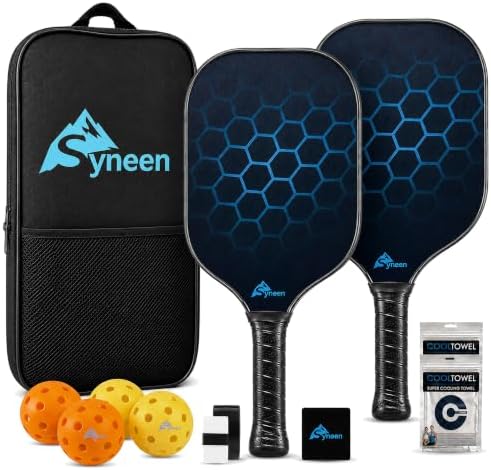
Households usually need two paddles, and a bundle with balls and a case is the low-friction way to do it. Check that the paddles inside are current models before treating the bundle as a saving, as our paddle set guide explains.
Approval for Sanctioned Play
USA Pickleball approves paddles per model and publishes current results on its official Approved Paddle List at usapickleball.org. Approval is never granted to a brand as a whole, so no statement about Friday in general answers the question for the specific paddle you are considering.
If you compete, search the exact model name on the official list before ordering, and remember that lists and standards are revised over time. For casual open play there is no equipment enforcement at all. Our overview of what the approval label means explains how the list works and why brand-level claims are meaningless.
Frequently Asked Questions
Is Friday pickleball a legitimate brand? Yes. It is a direct-to-consumer paddle brand that ships its own product and has a large public review trail. The unfamiliarity comes from the sales channel, not from the product being fake.
Where do you buy a Friday paddle? Through the brand’s own website. That is the point of the model, and it is also why the return and warranty terms deserve a careful read before you order.
Are Friday paddles good for beginners? They are aimed slightly above the true beginner bracket. A complete beginner who is unsure whether the sport will stick may prefer a cheap paddle with an easy return path first.
Are Friday paddles approved for tournaments? Approval applies per model, not per brand. Search the exact model name on the official list at usapickleball.org before entering a sanctioned event.
How do Friday paddles compare to flagship brands? The gap shows up in finish, long-term durability under heavy use, and demo availability rather than in basic playability. For weekly rec play that gap is smaller than the price difference suggests.
What if the grip size is wrong? Grip size can be built up with an overgrip but cannot be reduced, so order at or below your measured size. Our grip and overgrip guide explains how that works.
The Bottom Line
Friday is a genuine direct-to-consumer paddle brand built around value rather than prestige, and for a recreational player who plays weekly it is a sensible place to spend. The real considerations are the ones the sales channel creates: no demo, no marketplace return window, and terms set entirely by the brand. Read those first, and if you would rather buy through the usual channels, our overview of how paddle brands differ lines up the alternatives.
Related Reading
- Pickleball Paddle Brands: How They Actually Differ
- Budget Pickleball Paddles: Where the Compromises Are
- Vatic Pro Pickleball Paddles: The Value Benchmark
- How to Choose a Pickleball Paddle
- Carbon Fiber Pickleball Paddles: What the Material Changes
- Pickleball Paddle for Beginners: How to Choose Your First One