Last updated: August 19, 2026
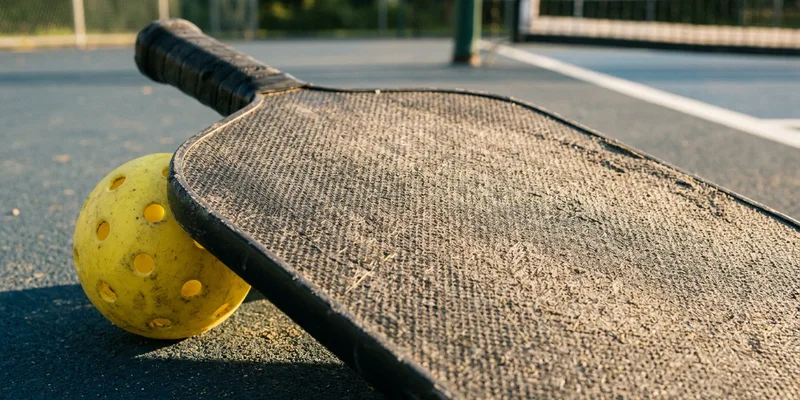
Spin is the one paddle claim that is genuinely measurable, which is why every brand now advertises it. It is also the one paddle property that fades while you own it. A textured face works by gripping the ball for a fraction longer at contact, and that texture is a consumable surface: it fills with dirt, it polishes down, and the paddle you bought for its bite plays differently after a season of outdoor play.
That makes buying for spin a slightly different exercise from buying for power or control. You are not only choosing a face, you are choosing how long that face keeps doing its job and how you look after it. We have not tested these paddles ourselves, so what follows is manufacturer specification, category-level construction fact, and what players consistently report.
Quick Answer
What makes a pickleball paddle good for spin?
- A textured face, usually raw or peel-ply carbon, that grips the ball briefly at contact instead of letting it skid.
- A swing you can accelerate, which is why swing weight and shape matter almost as much as the surface itself.
- Texture that lasts, since every gritty face wears down and a worn face spins noticeably less than a new one.
Bottom line: the face gives you the potential for spin, your racquet head speed converts it, and cleaning the face is the cheapest way to keep what you paid for.
Where Spin Actually Comes From
Spin is created when the ball rolls across the face rather than sliding off it. The rougher the surface, the more friction there is during that brief contact, and the more the ball rotates when it leaves. That is the entire mechanism, and it explains why face texture is the one spec that genuinely earns its marketing on a spin paddle.
What the paddle cannot do is supply the swing. Friction only converts speed that you brought into the shot, so a fast, brushing swing path with a gritty face produces heavy topspin while a slow, flat push with the same face produces almost none. Players who upgrade for spin and change nothing else often report a smaller difference than they expected.
Face Types and What They Trade Away
Most spin-oriented paddles use a carbon face finished to leave a coarse surface, and the finishing method is what separates them. Each approach trades durability, feel, or consistency for grip, and knowing which one you are buying tells you what to expect after a few months.
Raw Carbon and Peel Ply Finishes
Raw carbon faces are marketed around a coarse, exposed weave that grips the ball hard from the first hit. Players consistently report these as the grippiest option out of the box and also as the ones that lose bite fastest with heavy outdoor use, because there is no coating protecting the surface.
Painted and Composite Faces
Fiberglass and painted composite faces are generally built for pace and a livelier response rather than for surface grip. They can still spin the ball, but the texture is usually shallower and the paddle is not being sold on friction. If spin is your priority, this is not the category to shop in.
Spin Paddles by the Shot You Want to Add
You Want Maximum Grip on Rolls and Dinks
CRBN built its whole catalog around carbon faces positioned toward spin consistency and control, which makes it the default shortlist entry for players whose game runs on topspin rolls at the kitchen line. Our CRBN brand guide covers how the lines differ before you narrow it down.

You Want Spin and Pace in the Same Paddle
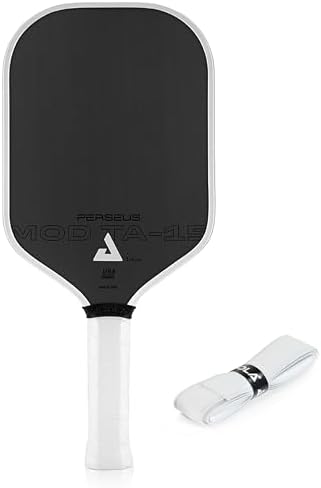
Heavy topspin drives need both a gritty face and a build that returns energy, which is the flagship thermoformed elongated category. JOOLA’s Perseus line is the most cross-shopped example, and our Perseus profile covers the generation differences worth checking first.
You Want a Textured Carbon Face Without Flagship Money
Vatic Pro has built its following on thermoformed carbon-faced construction at a fraction of flagship pricing, which is the usual recommendation for a player who wants to find out whether a grippier face changes their game before spending more.

You Want Feel Alongside the Bite
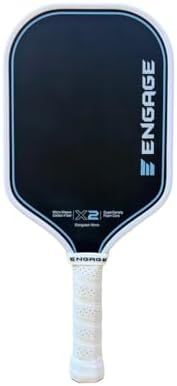
Not every spin player wants the stiffest possible build. Engage markets its range around control and feel, which suits a player who wants texture for rolls but still needs the paddle to absorb pace on a reset rather than firing it back.
You Want to Keep the Spin You Already Paid For
A gritty face fills with dirt, ball residue, and court dust, and a clogged surface grips less. A paddle eraser or a face cleaner made for the purpose restores a lot of that without abrading the surface further. Our guide on cleaning a paddle covers the method and what to avoid.

Comparing the Spin Factors
The table sorts what contributes to spin and how much control you have over each factor. These are category-level tendencies in how paddles are built and marketed, not measured results for any individual model, so confirm the specs on the manufacturer’s product page.
| Factor | Effect on spin | Who controls it |
|---|---|---|
| Face texture | Largest single equipment factor | Your paddle choice |
| Swing speed and path | Converts friction into rotation | Your technique |
| Swing weight | Faster head speed brushes more | Shape and weighting |
| Face wear | Grip drops as texture polishes | Cleaning and replacement |
| Ball condition | Scuffed and cold balls behave differently | Your ball choice |
| Core thickness | Minor, affects dwell and feel | Your paddle choice |
What Spin Costs You
The trade nobody mentions on a product page is that texture wears, and it wears fastest on the surfaces that grip hardest. Outdoor courts are abrasive, and a raw carbon face used four times a week outdoors will not feel the same in six months. Budget for that rather than assuming a paddle is a one-time purchase.
The second cost is that spin without depth control is a fast route to unforced errors. Topspin makes the ball drop, which tempts players into swinging harder at everything, and the roll volley that clips the net is the same shot as the one that wins the point. Add spin to shots you already land.
Surface Rules for Sanctioned Play
Surface roughness is regulated for approved paddles, which is why brands do not simply make faces as coarse as possible, and it is also why modifying a face yourself is a bad idea. USA Pickleball publishes its current equipment standards and its Approved Paddle List at usapickleball.org, and both are revised at the start of each year. Check there rather than relying on a retailer badge or an older article, including this one.
Frequently Asked Questions
What is the best pickleball paddle for spin? There is no single answer, but the shortlist is consistently textured carbon-faced paddles. Which one suits you depends on whether you also want pace, feel, or a lower swing weight alongside the grip.
Does a carbon fiber paddle spin more than fiberglass? Carbon faces are generally marketed and experienced around spin and a consistent response, while fiberglass is usually built for pop. The finish matters more than the fiber name, so look at how the surface is described.
Does paddle texture wear out? Yes. Every gritty face loses bite as it polishes and fills with residue, and outdoor play accelerates it. Cleaning the face regularly recovers some of it, but wear is permanent.
Can I roughen my paddle face to add spin? No. Surface roughness is part of the equipment standard for approved paddles, and altering the face puts it outside that standard. Check the current rules at usapickleball.org.
Does a thicker core help or hurt spin? Core thickness is a minor factor next to face texture. Thicker cores lean toward control and dampening, which some players find helps them brush the ball rather than smash it, but it is a feel preference.
Will a spin paddle improve my topspin automatically? No. Friction only converts the head speed and brushing path you supply. A gritty face raises the ceiling, your swing decides how much of it you use.
The Bottom Line
Spin comes from friction at contact, so a textured carbon face is the equipment answer and your swing path is the other half of it. Treat the face as a consumable, clean it regularly, and expect a paddle bought for maximum bite to feel different after a heavy outdoor season. If you want the pace to go with it, our power paddle guide explains what genuinely adds it, and our carbon fiber guide covers what the material does and does not change.